PARTIAL ECLIPSE
Photography Series / Artist Book / Performance Documentation
Georgia, Texas, Pennsylvania, + New York
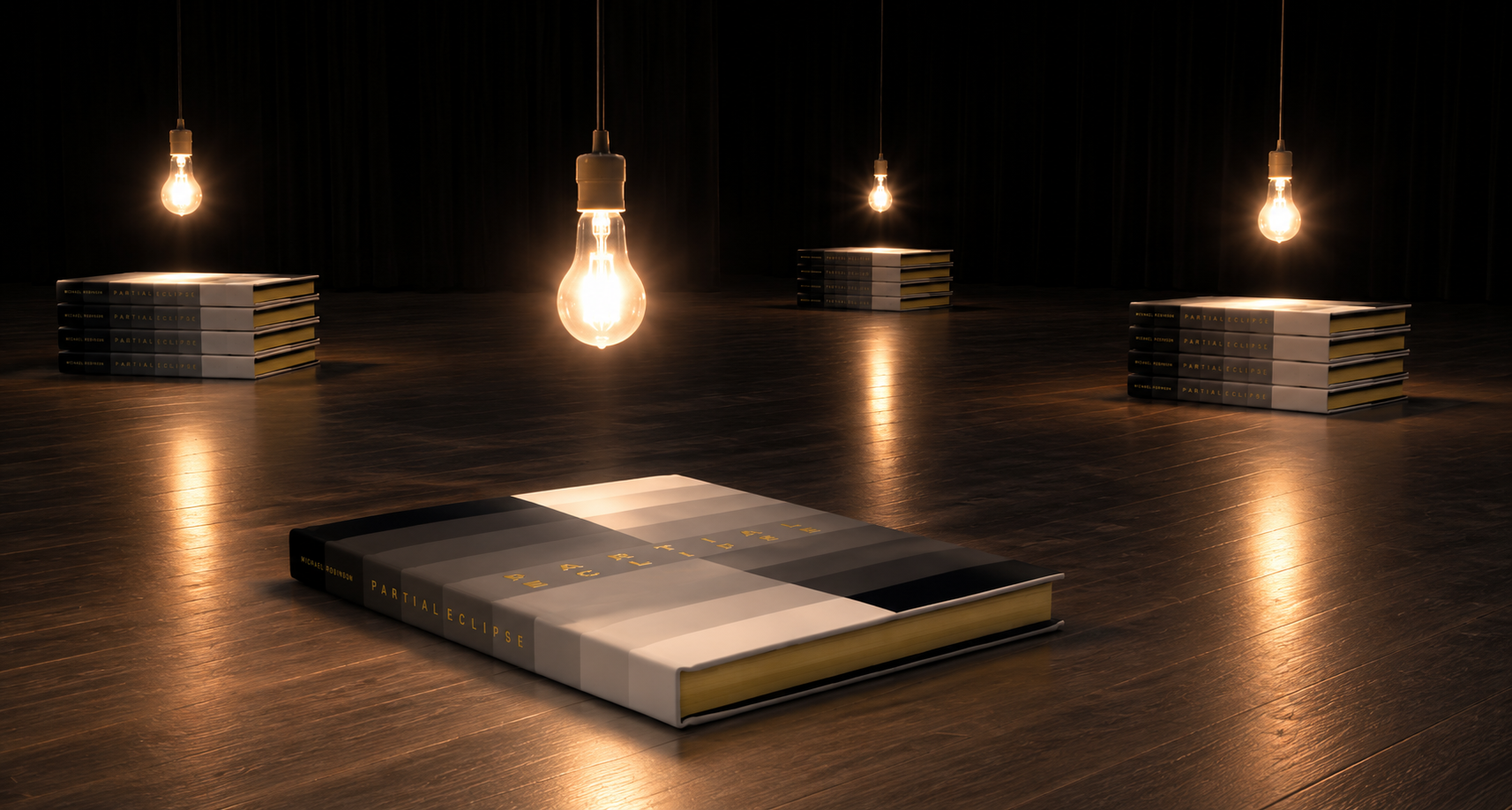
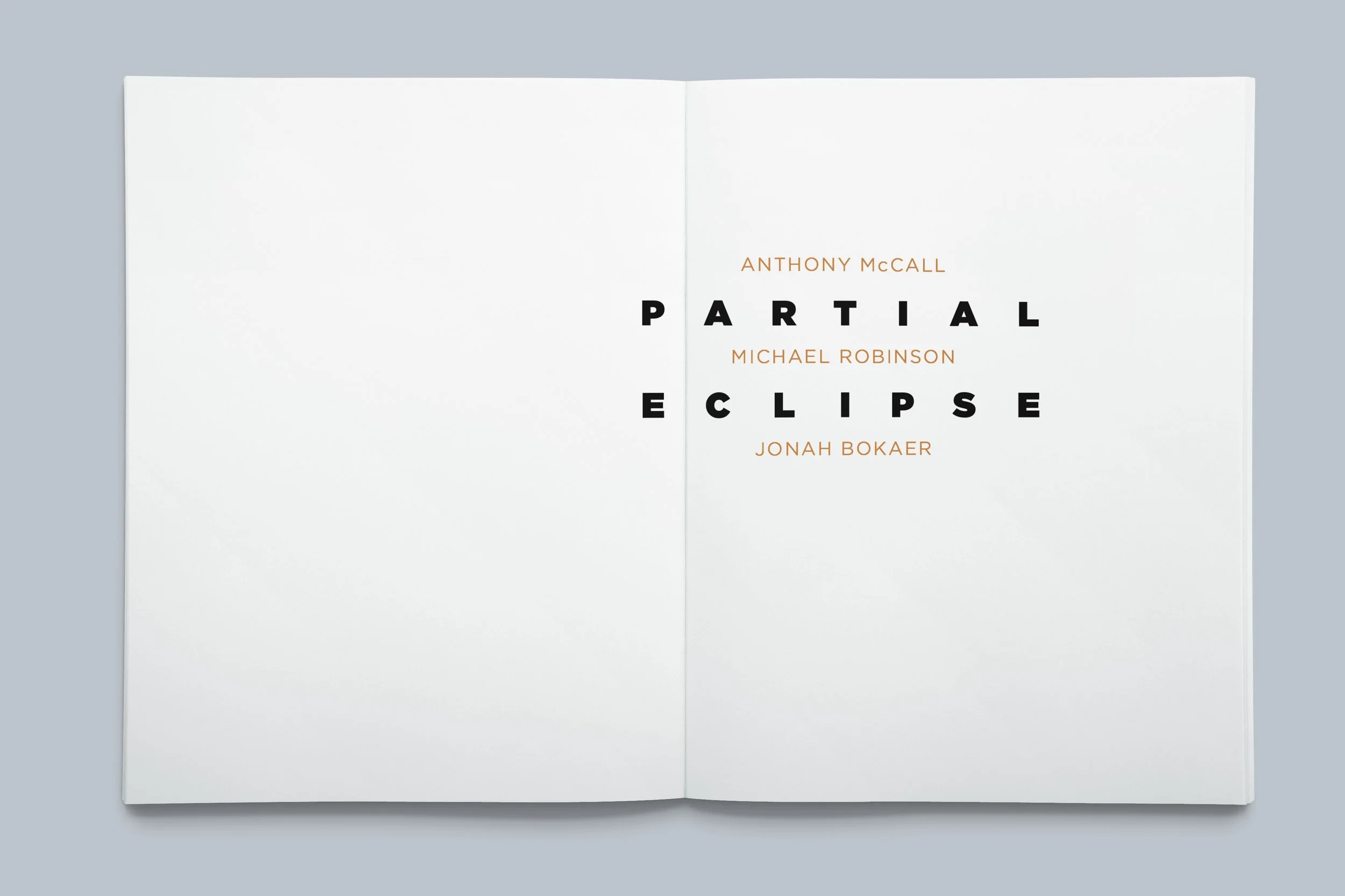
Partial Eclipse is a photographic series and artist book documenting Michael Robinson's month-long journey touring with Anthony McCall and Jonah Bokaer's performance work Eclipse through Georgia, Texas, Pennsylvania, and New York.
-
Partial Eclipse is a photographic series and artist book documenting Michael Robinson's month-long journey touring with Anthony McCall and Jonah Bokaer's performance work Eclipse through Georgia, Texas, Pennsylvania, and New York.
Moving between contemporary dance, installation art, photography, and personal narrative, the series explores the relationship between light, movement, memory, parenthood, and symbolic language.
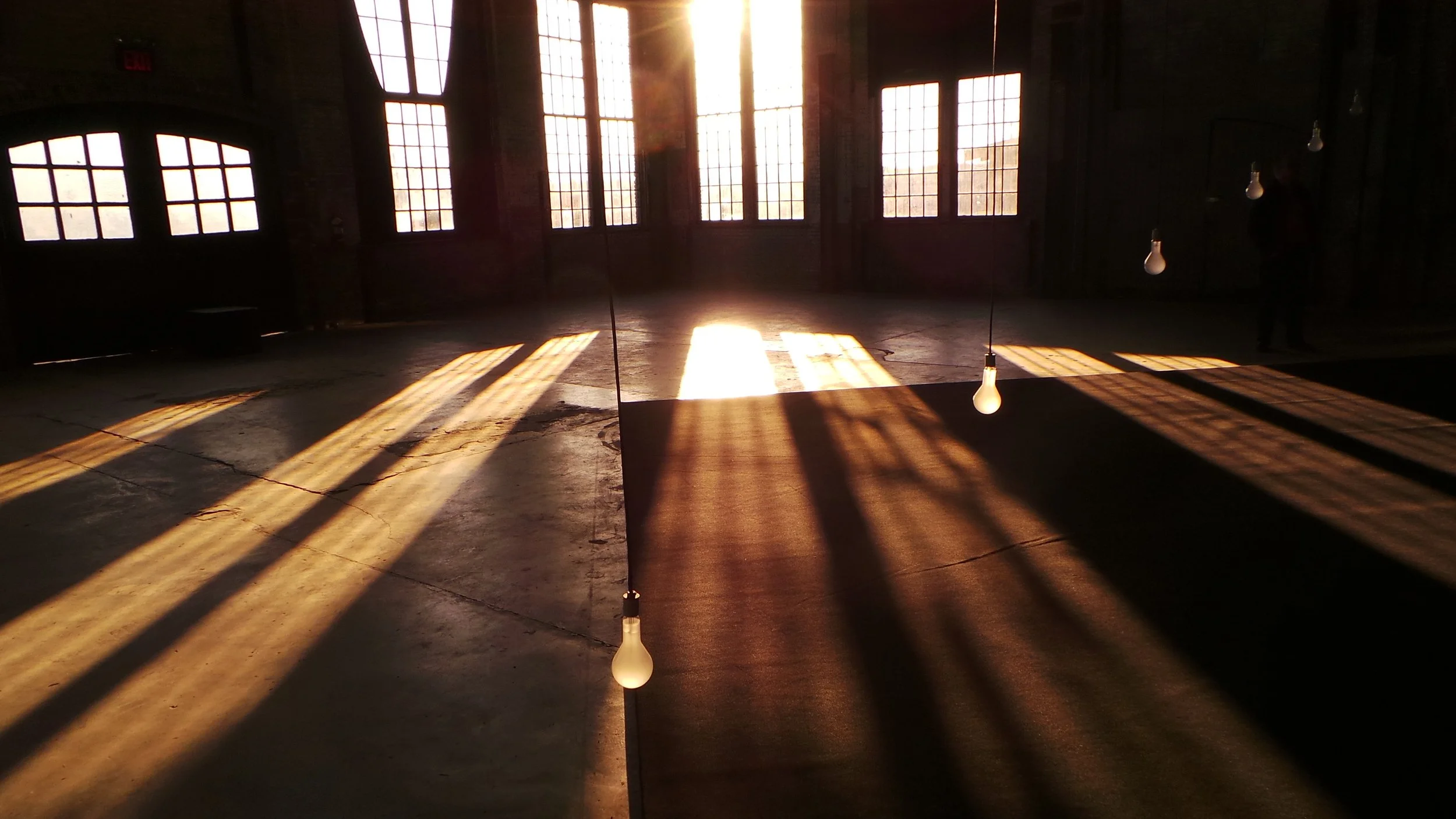
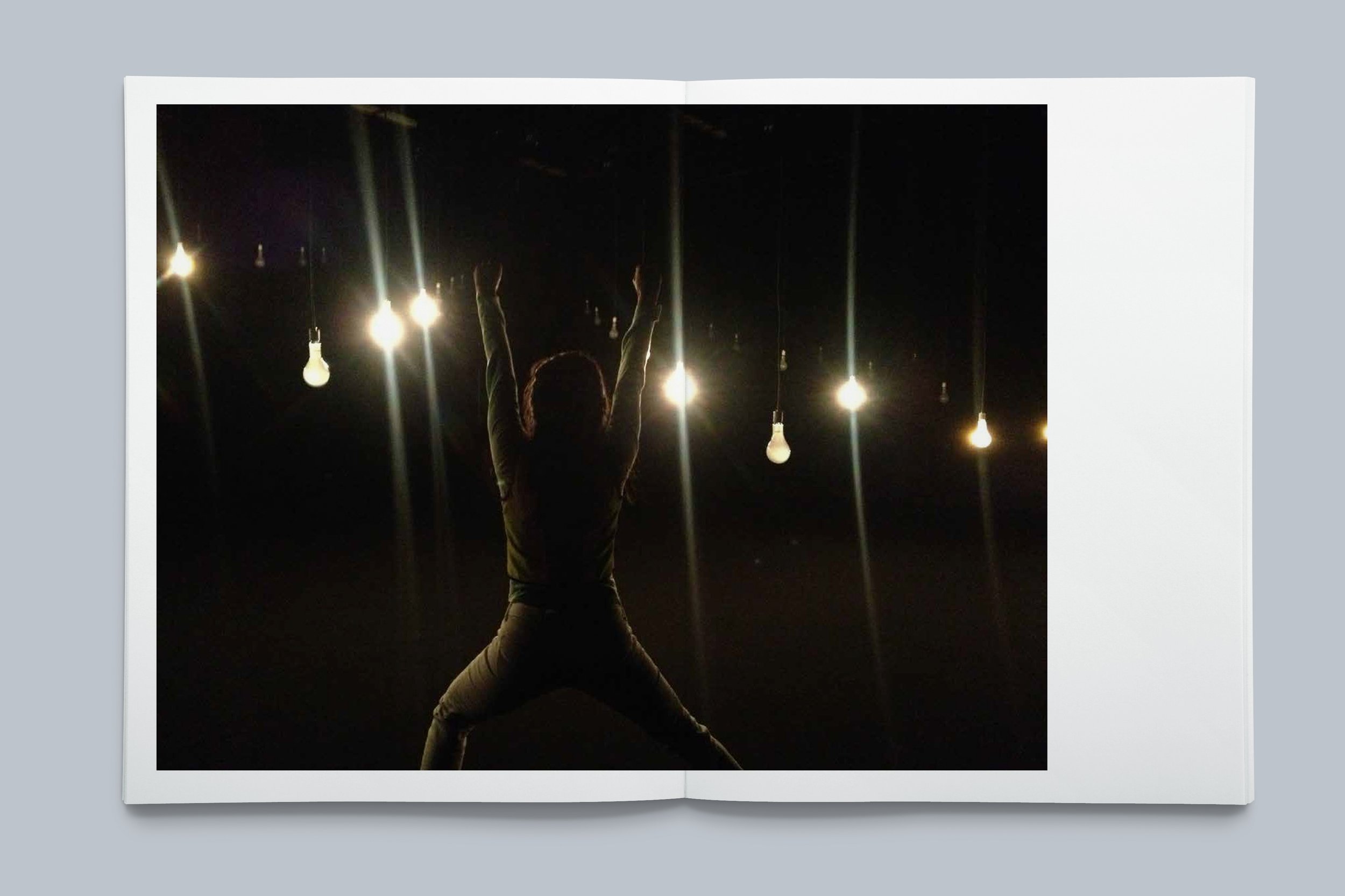
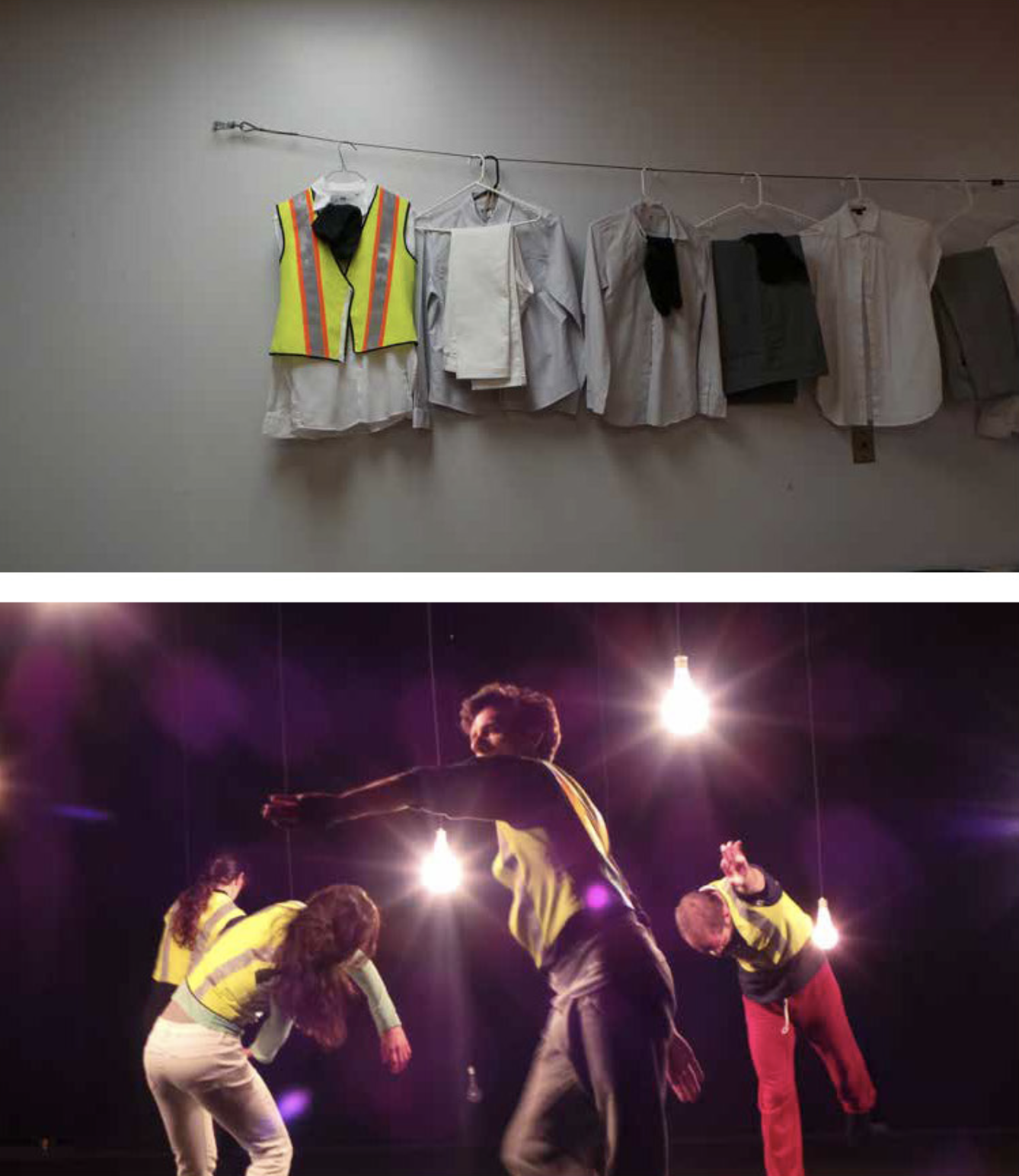
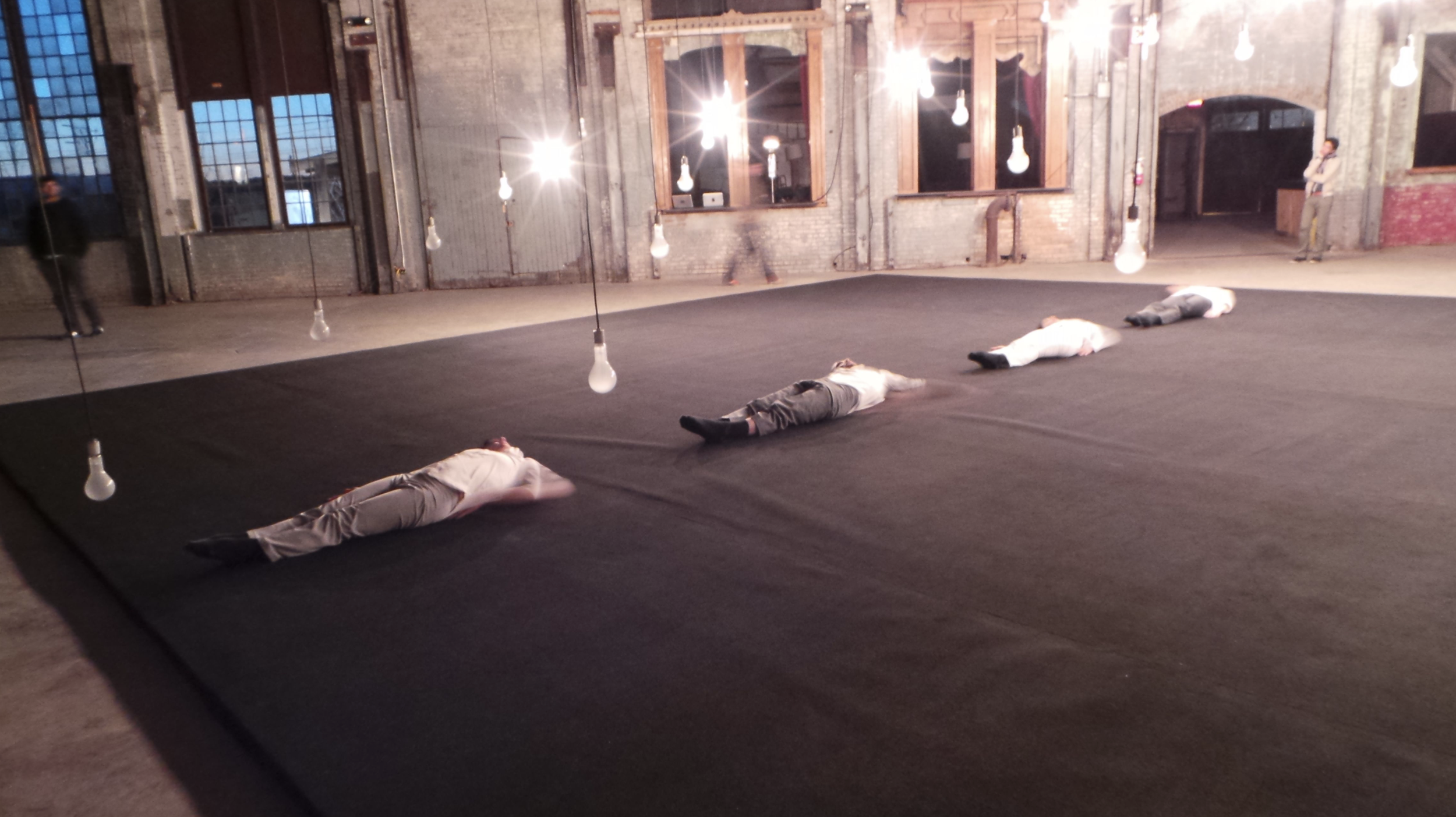
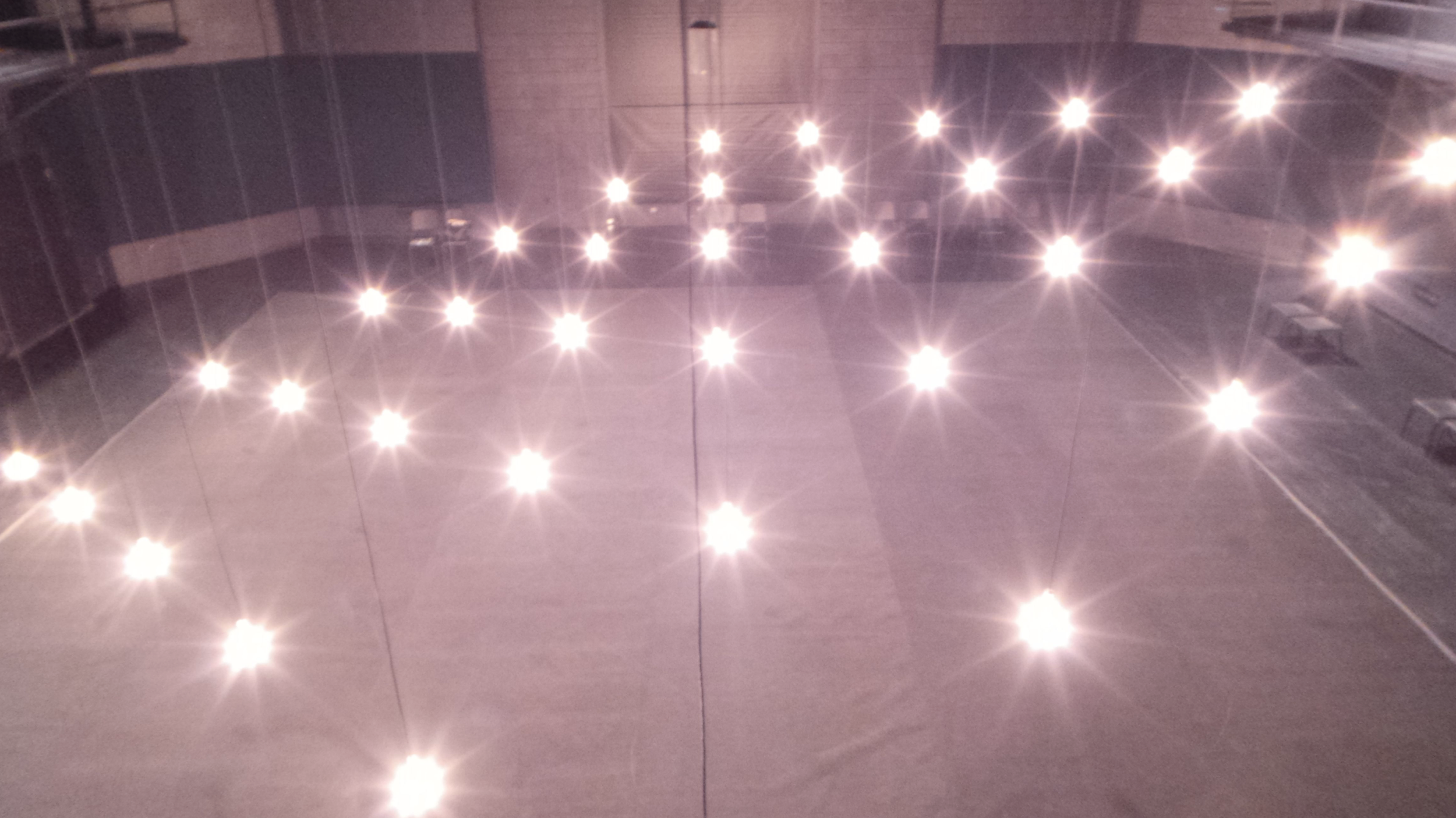
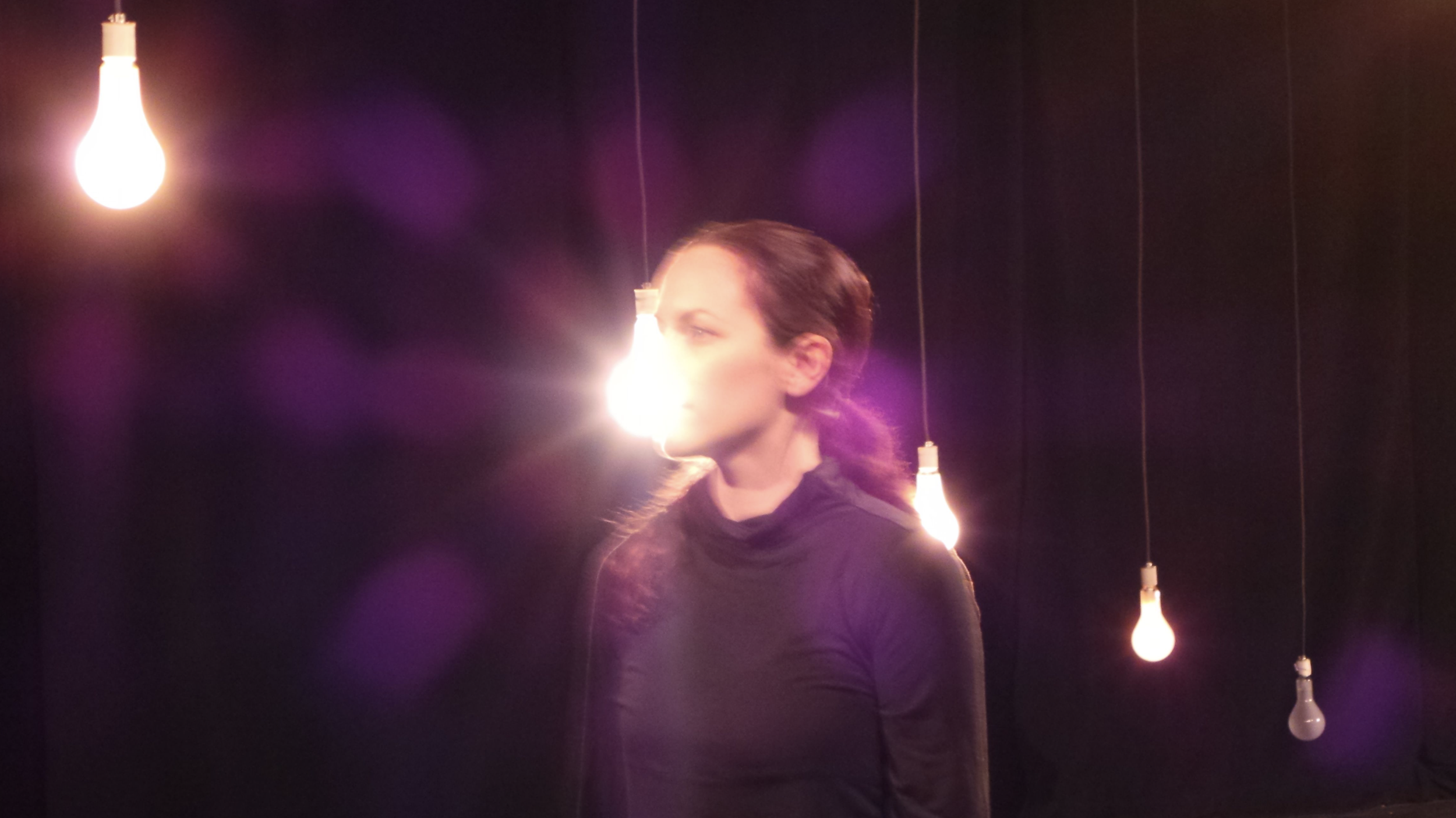
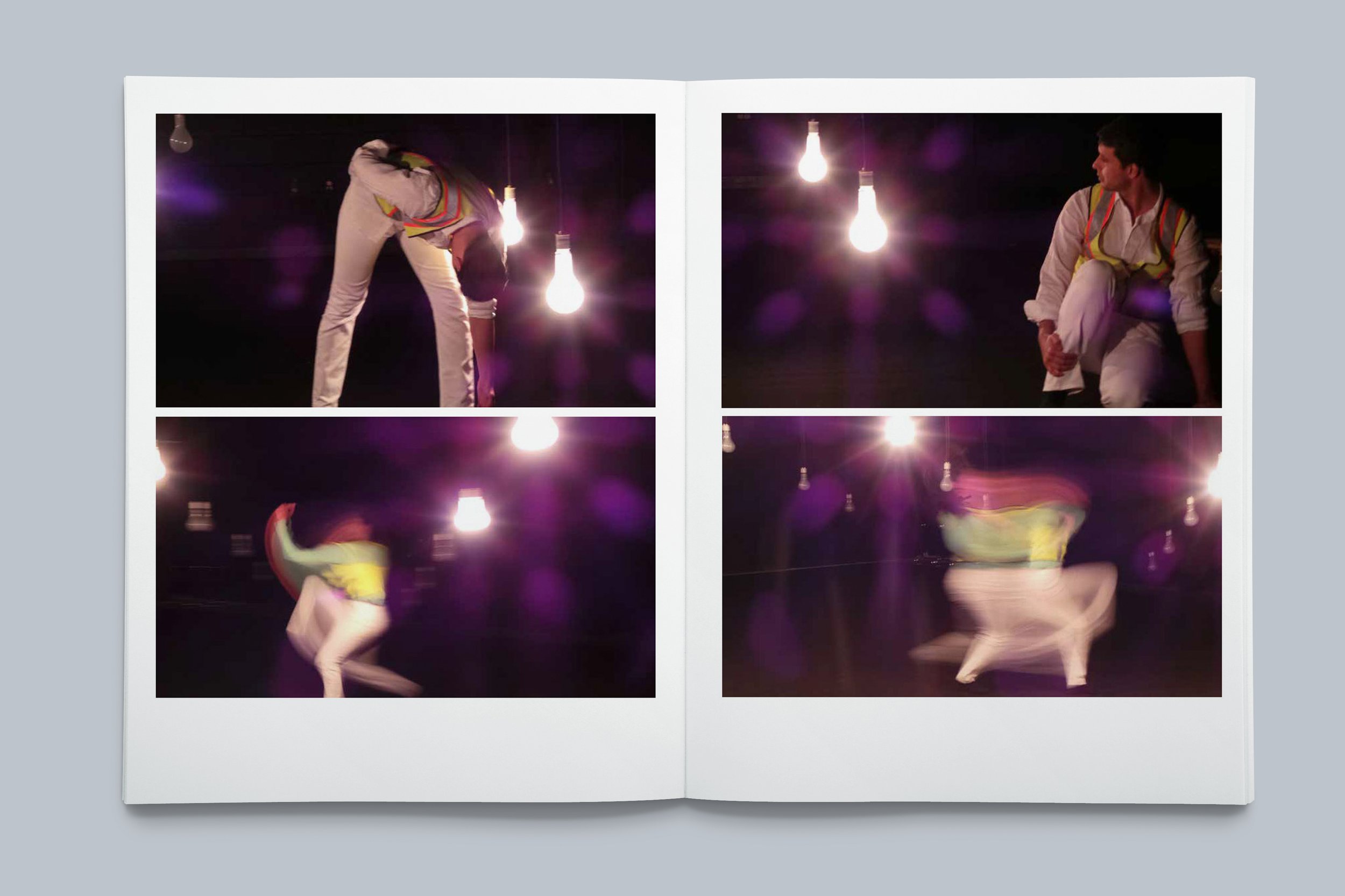
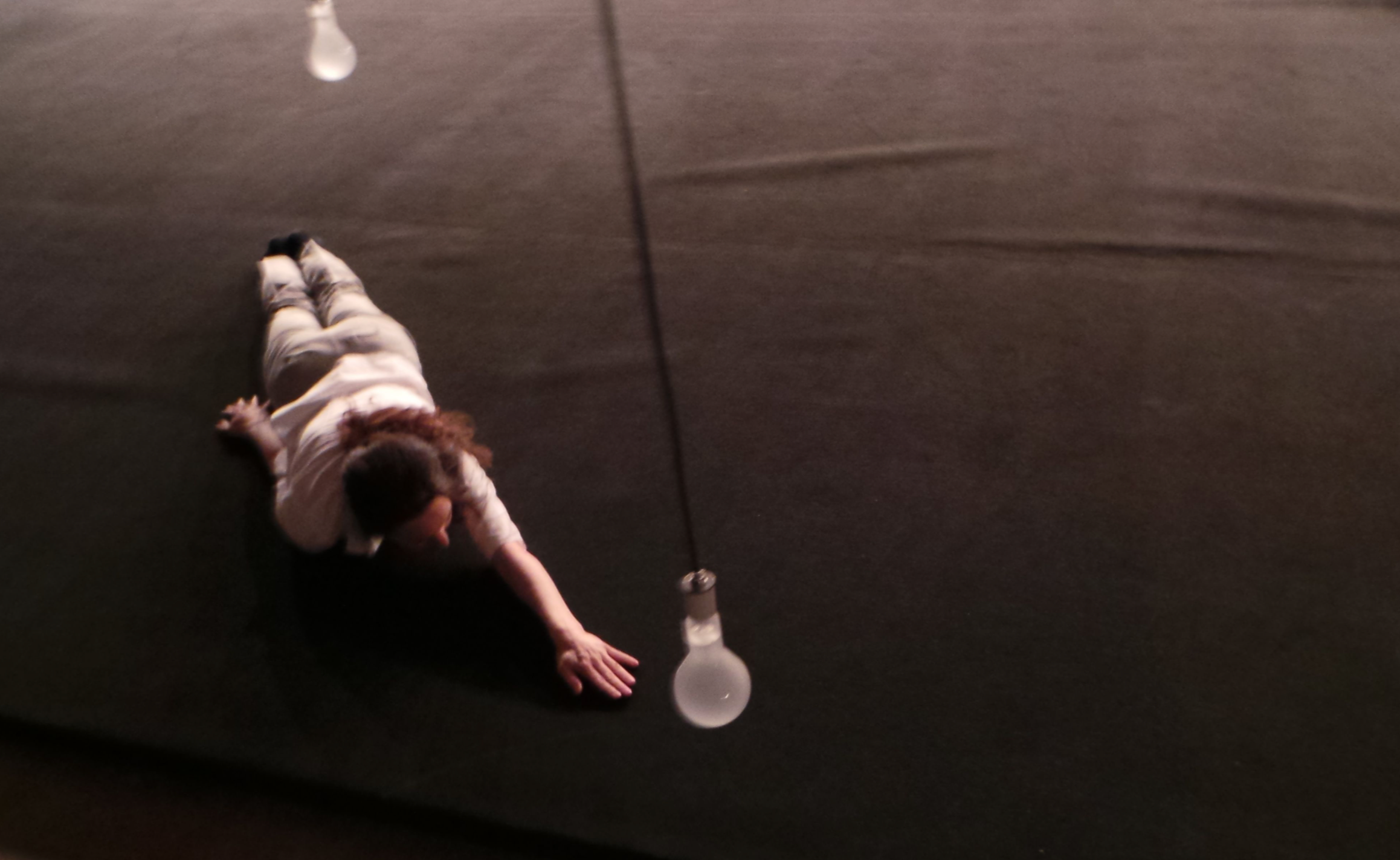
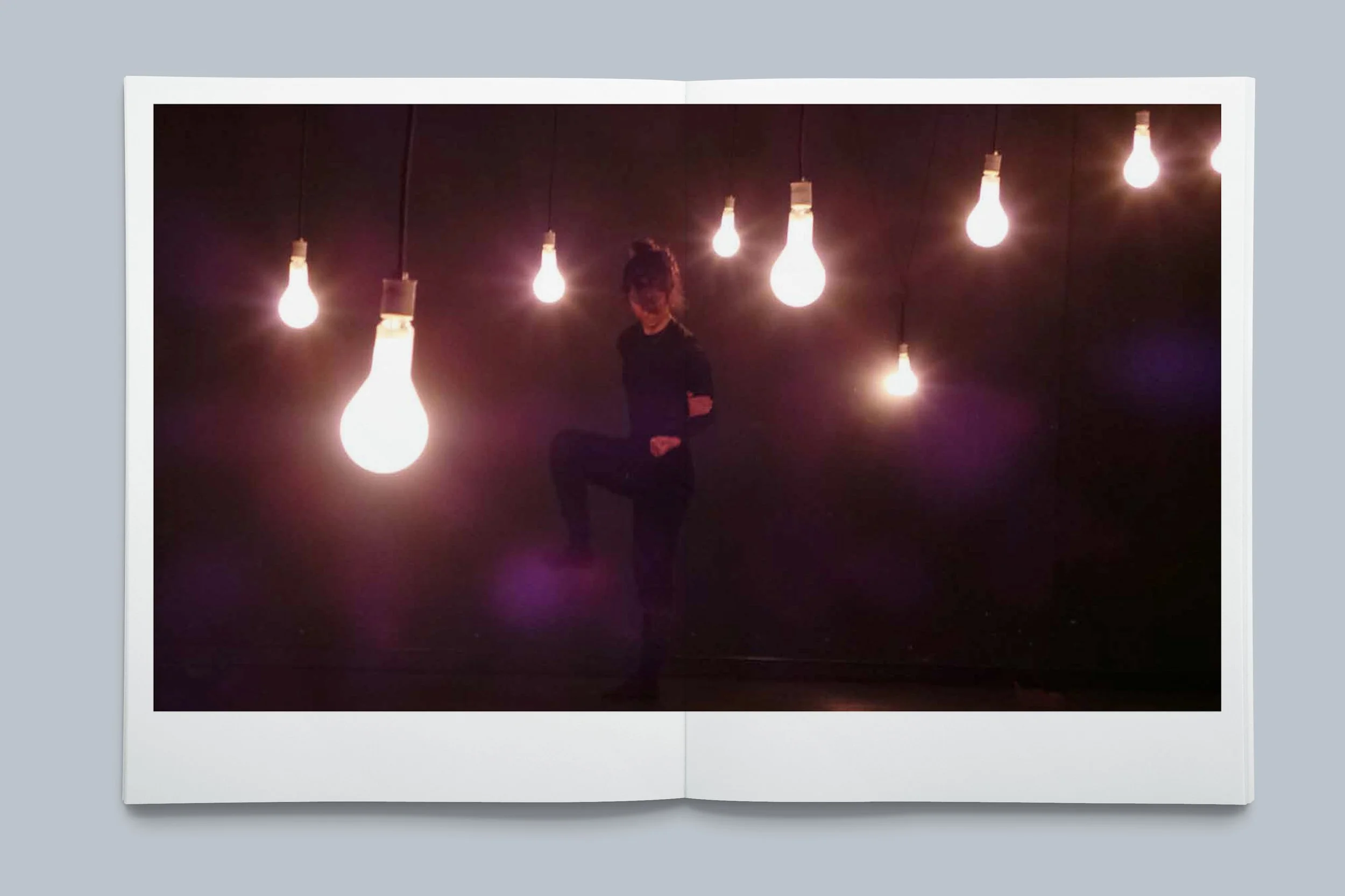
McCall's immersive environments of light, sound, and atmosphere transform the stage into a living architecture. Within these spaces, dancers wearing reflective safety vests and white garments move between visibility and disappearance, creating temporary drawings of bodies, shadows, and illumination.
Traveling with his three-month-old daughter while supporting his partner and performer, Robinson documents the spaces between performance and everyday life—hotels, theaters, transit, caregiving, waiting, and moments of transformation.
Connected to Robinson's ongoing Universus series, Partial Eclipse considers scenography as an evolving glyph system: a visual language created through light, movement, repetition, and memory.
-
Partial Eclipse documents my month-long journey accompanying Anthony McCall and Jonah Bokaer's performance work Eclipse through Texas, New York, and Pennsylvania. Rather than creating a traditional performance archive, I use photography to explore the space between participation and observation, examining how memory, movement, repetition, and personal experience transform over time.
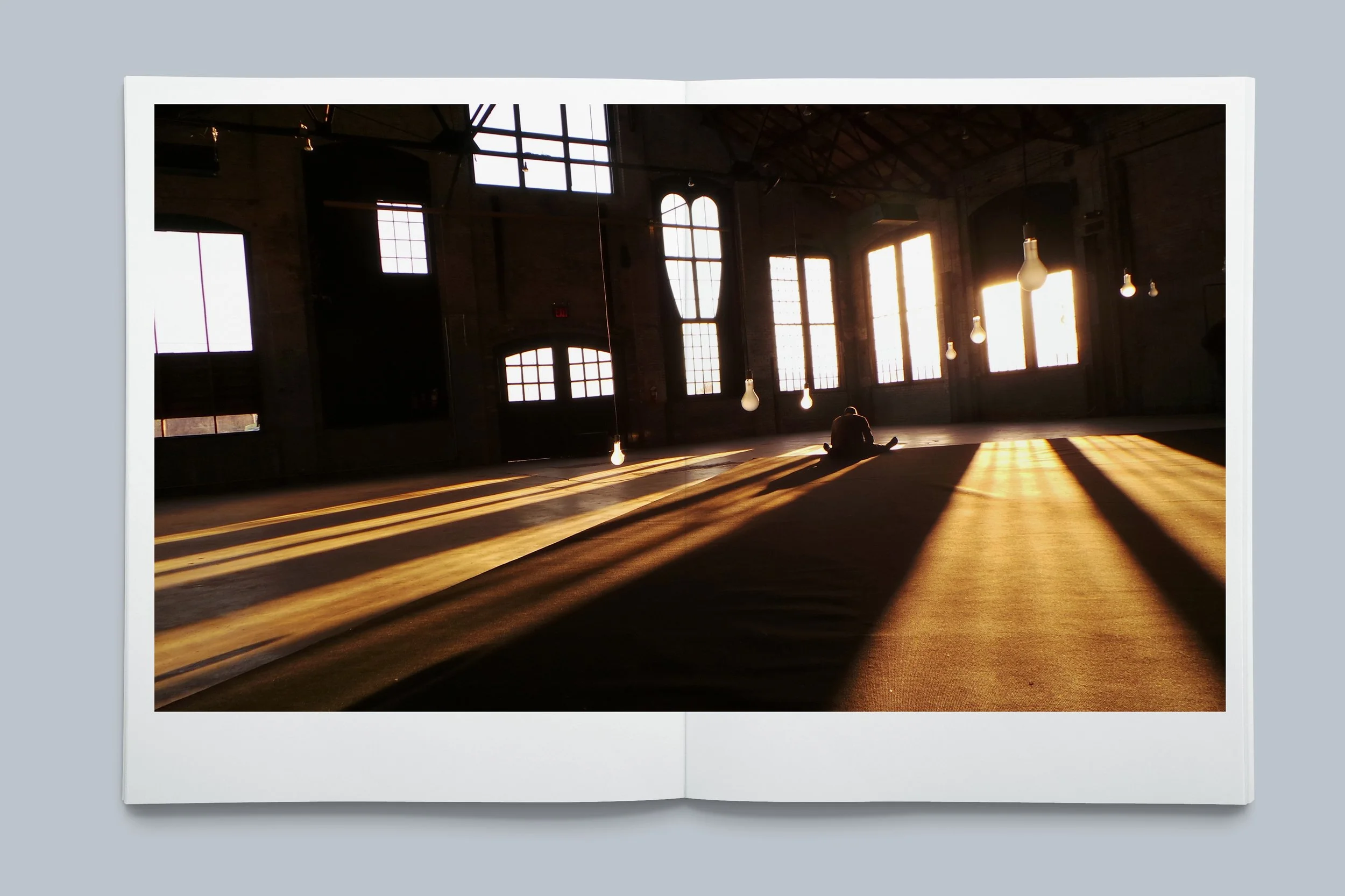
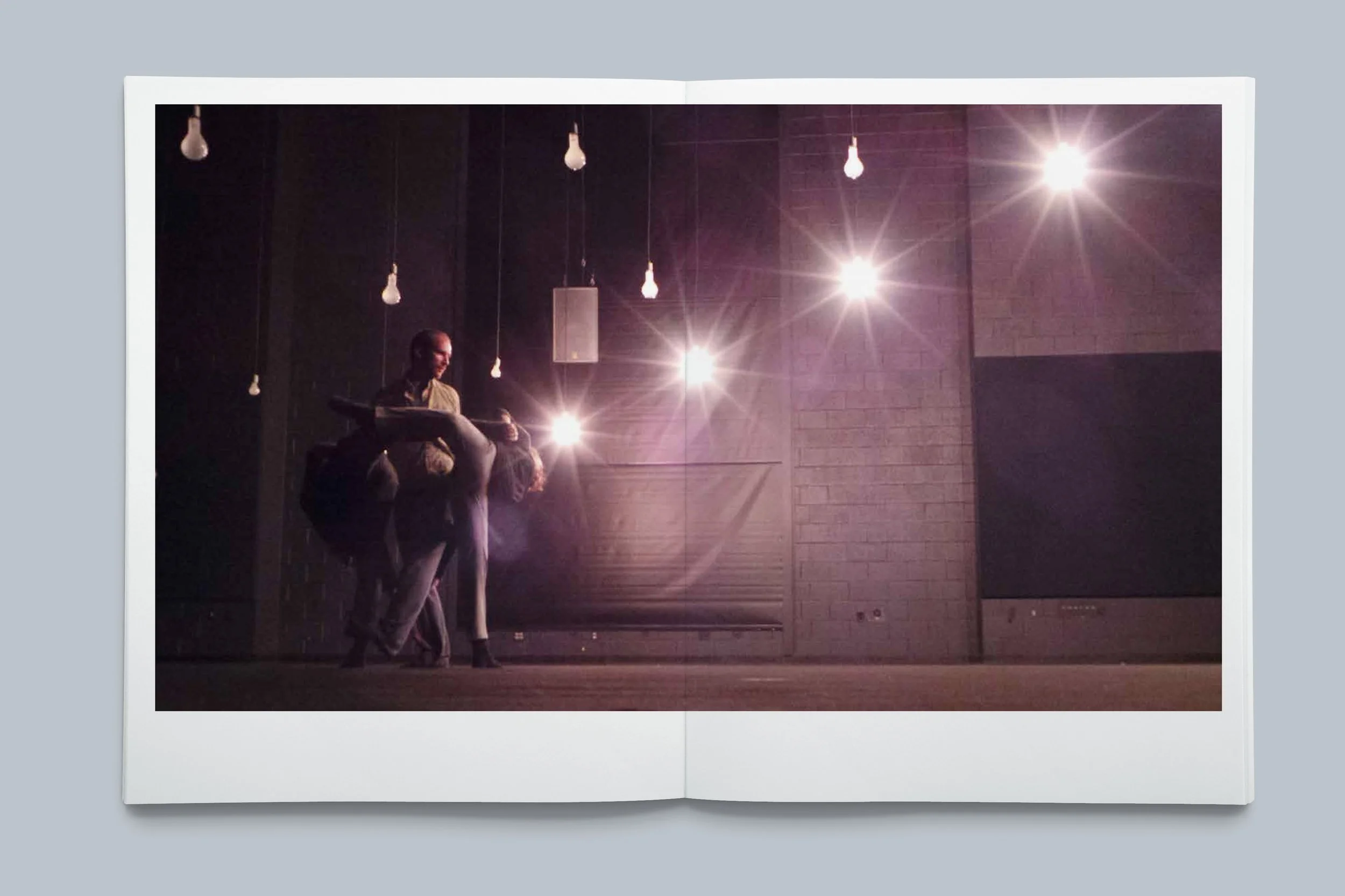
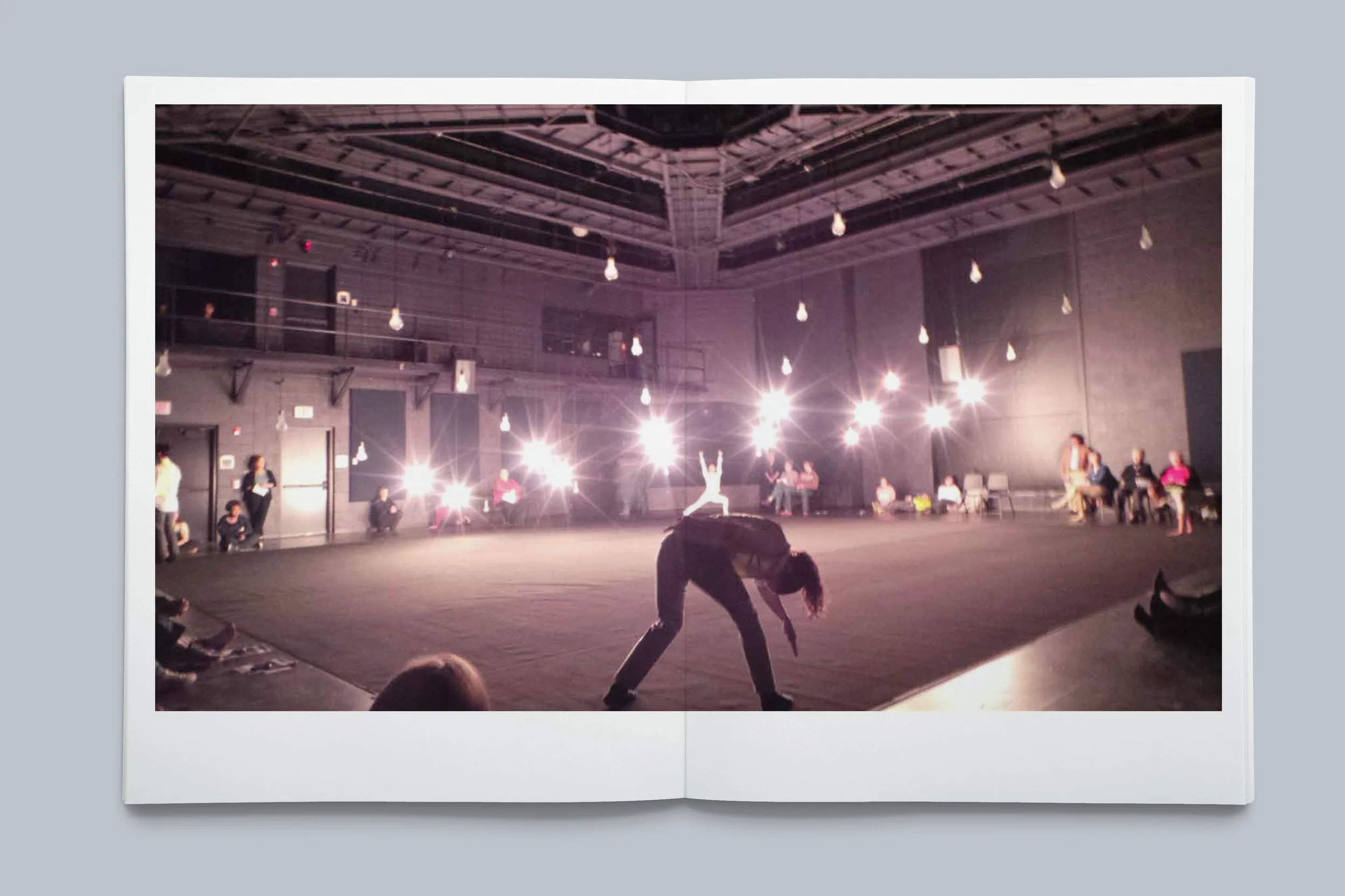
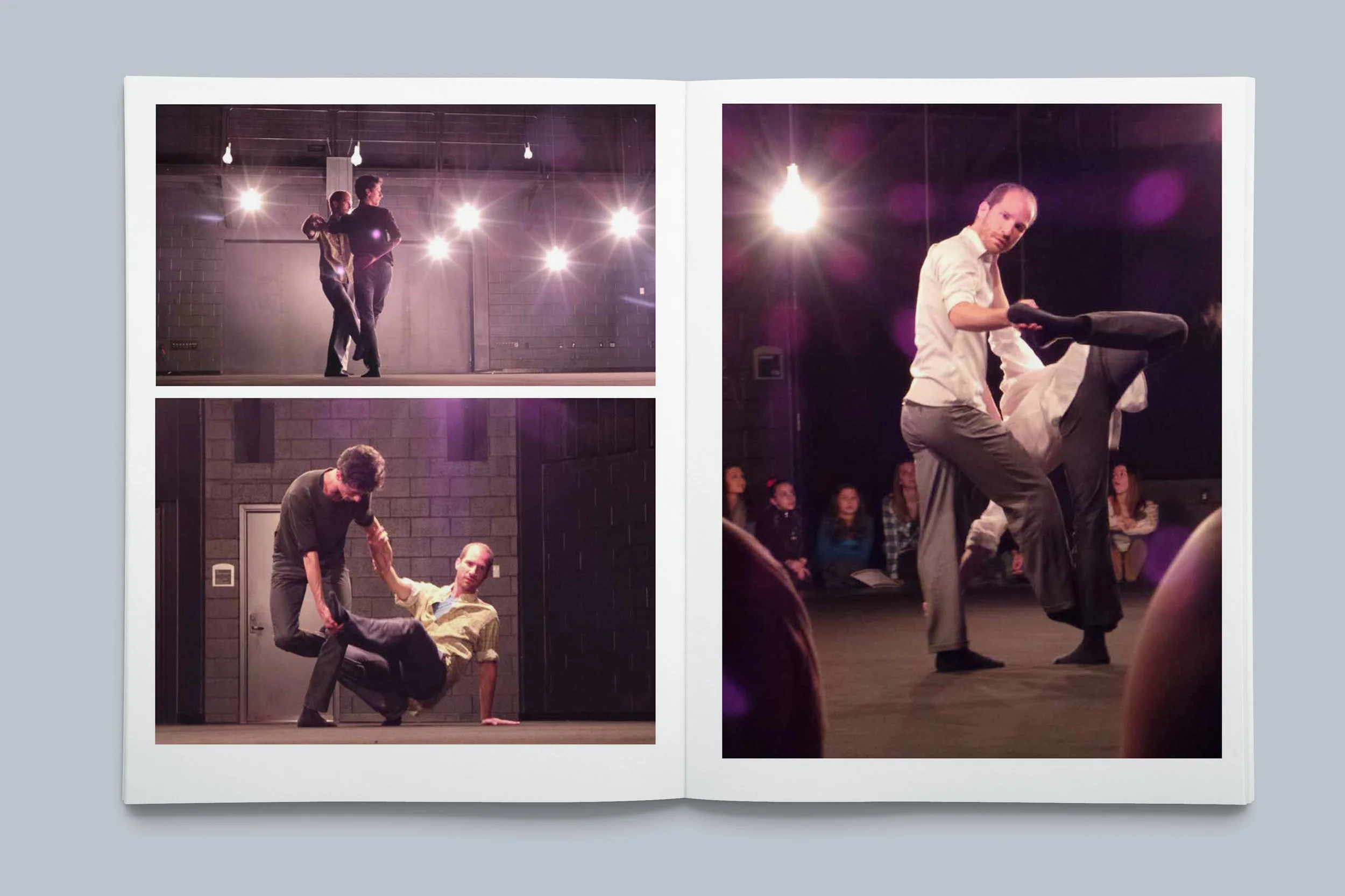
At the center of Eclipse, McCall creates an immersive environment of light, sound, atmosphere, and spatial perception. Within these shifting volumes of projected light, dancers Sara Procopio, Laura Gutierrez, Tal Adler, and Adam Weinert navigate spaces that exist between the physical and immaterial. Their reflective safety vests, white shirts, and white pants capture and redirect light as their bodies appear, dissolve, and re-emerge throughout the installation. Light creates architecture. Movement creates drawings. Bodies continuously construct and transform temporary landscapes through illumination and space.
The tour coincided with a profound personal transition. I had recently become a first-time father and traveled with my three-month-old daughter while my partner, performed in the work. Throughout the journey, I balanced supporting her creative practice, caring for our child, and developing my own photographic response to the experience. Each day required learning a new choreography of parenthood—moving through theaters, hotels, airports, and unfamiliar cities while discovering how to care for an infant on the road. Feeding, sleeping, carrying, comforting, and adapting created their own rhythms alongside rehearsals, performances, and photography.
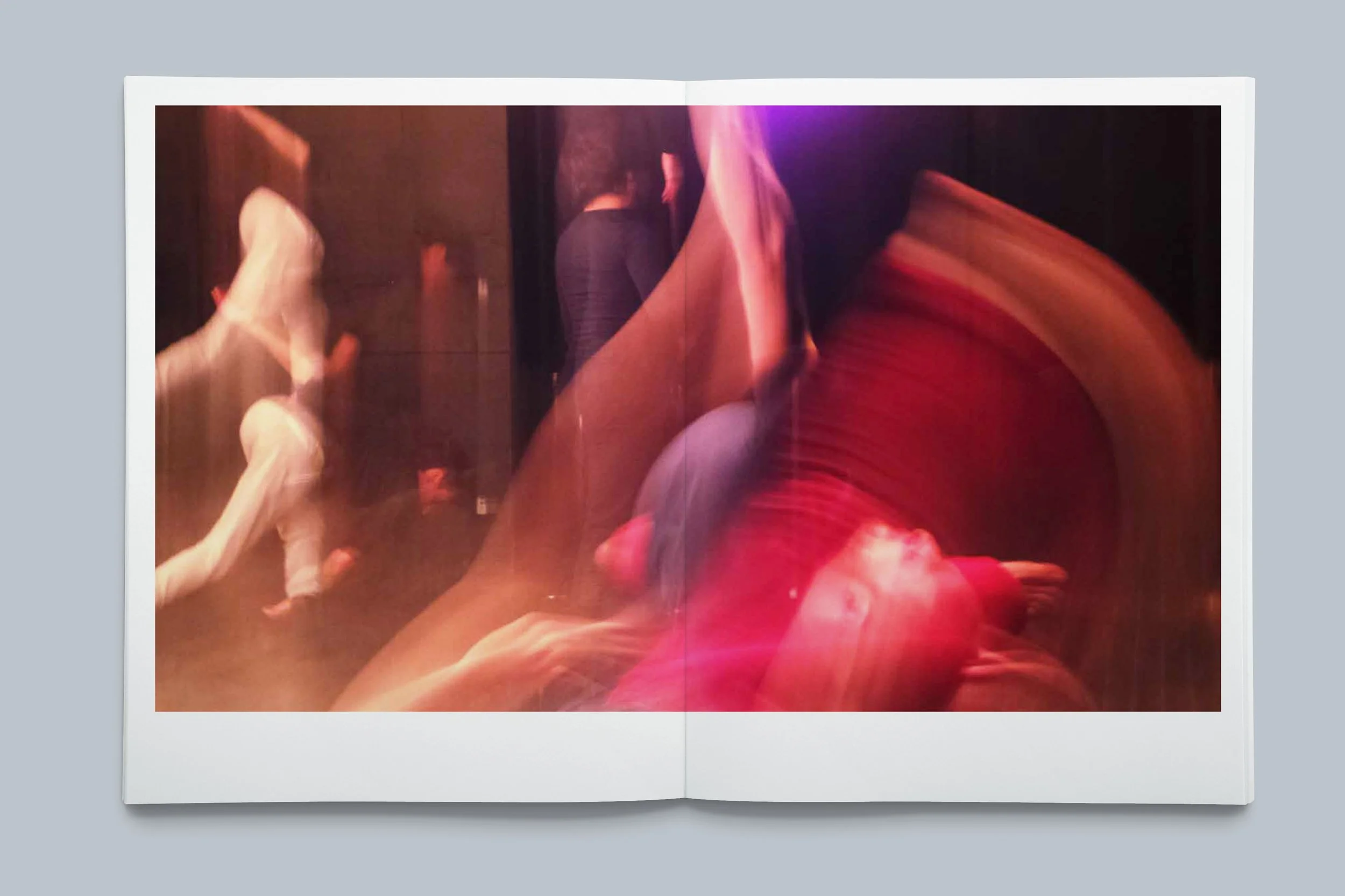
Partial Eclipse grew from this heightened state of attention. The camera became less a tool for recording performance and more a way of observing relationships: between dancers and light, performers and audiences, cities and temporary homes, parents and children, creation and care. I photographed the spaces in between—the intervals before and after performances, moments of waiting, travel, exhaustion, discovery, and wonder.
Experiencing Eclipse repeatedly revealed that no performance happens twice. The choreography remained consistent, yet each venue, audience, city, and moment transformed the work. As performances accumulated, familiar sequences became unfamiliar again. Memory layered upon memory, and repetition revealed difference rather than sameness. Photography promised preservation while simultaneously exposing what escaped the frame. Each image became a fragment of a larger experience continually edited, compressed, and rewritten by memory.
Throughout the series, I began to see McCall's projected forms as an evolving visual language. Cones, lines, shadows, reflections, and pathways repeated like symbols or signs. Rather than functioning only as scenography, these structures created a system through which bodies navigated space. Over time, they began to resemble glyphs—forms carrying meaning without fixed translation. The stage transformed into a temporary cartography. Light became writing. Movement became a way of reading and rewriting space.
This relationship among body, symbol, and environment connects Partial Eclipse to the larger concerns of my Universus series, where maps, alphabets, diagrams, and symbolic systems operate as tools for navigating physical, social, and psychological worlds. Here, performance creates a living notation system through light, architecture, choreography, caregiving, travel, and human presence. These projected forms function as contemporary glyphs—marks that resist direct interpretation while retaining rhythm, structure, repetition, and the persistent sense that meaning exists.
The photographs trace the experience of moving through Eclipse repeatedly while inhabiting multiple roles simultaneously: artist, observer, partner, parent, collaborator, and caretaker. They examine how meaning accumulates through observation, how memory transforms familiar forms into discoveries, and how temporary communities emerge through shared acts of creation and care.
By the conclusion of the tour, my daughter—only three months old when we departed—had spent nearly a third of her life on the road. What started as a performance tour expanded into an initiation into parenthood, collaboration, and collective experience. The photographs record more than a work performed in different cities; they trace a shared journey through unfamiliar landscapes, evolving relationships, and fleeting moments of discovery.
Like the projected forms that define Eclipse, memory shifts, transforms, and remains incomplete. Through repetition, movement, and attention, new meanings continue to emerge. In Partial Eclipse, touring becomes a form of mapping, parenting becomes a form of choreography, and photography becomes a way to navigate a world continually rewritten by light, movement, time, and love.