Partial Eclipse
A Photographic Diary of Touring with Anthony McCall and Jonah Bokaer's Eclipse
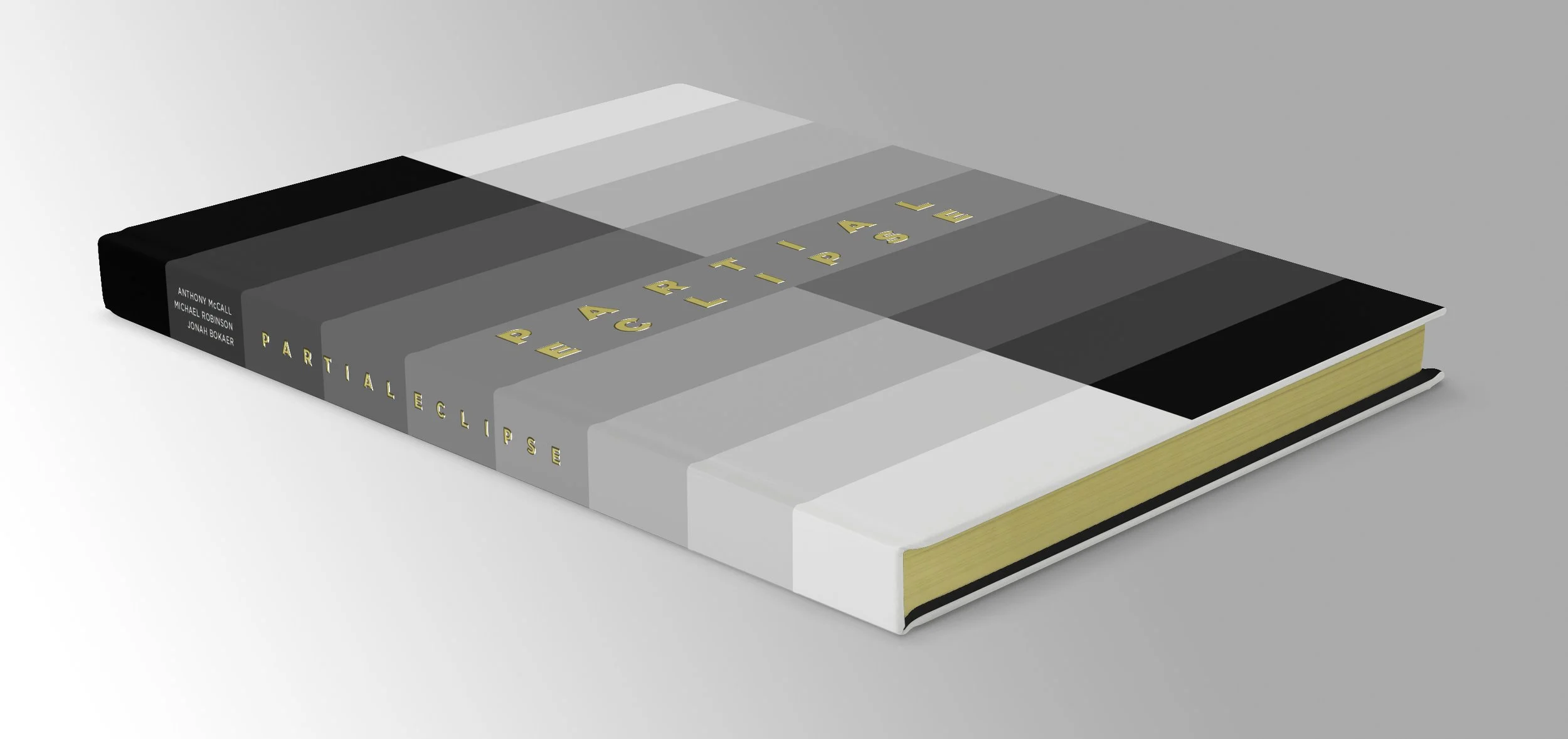
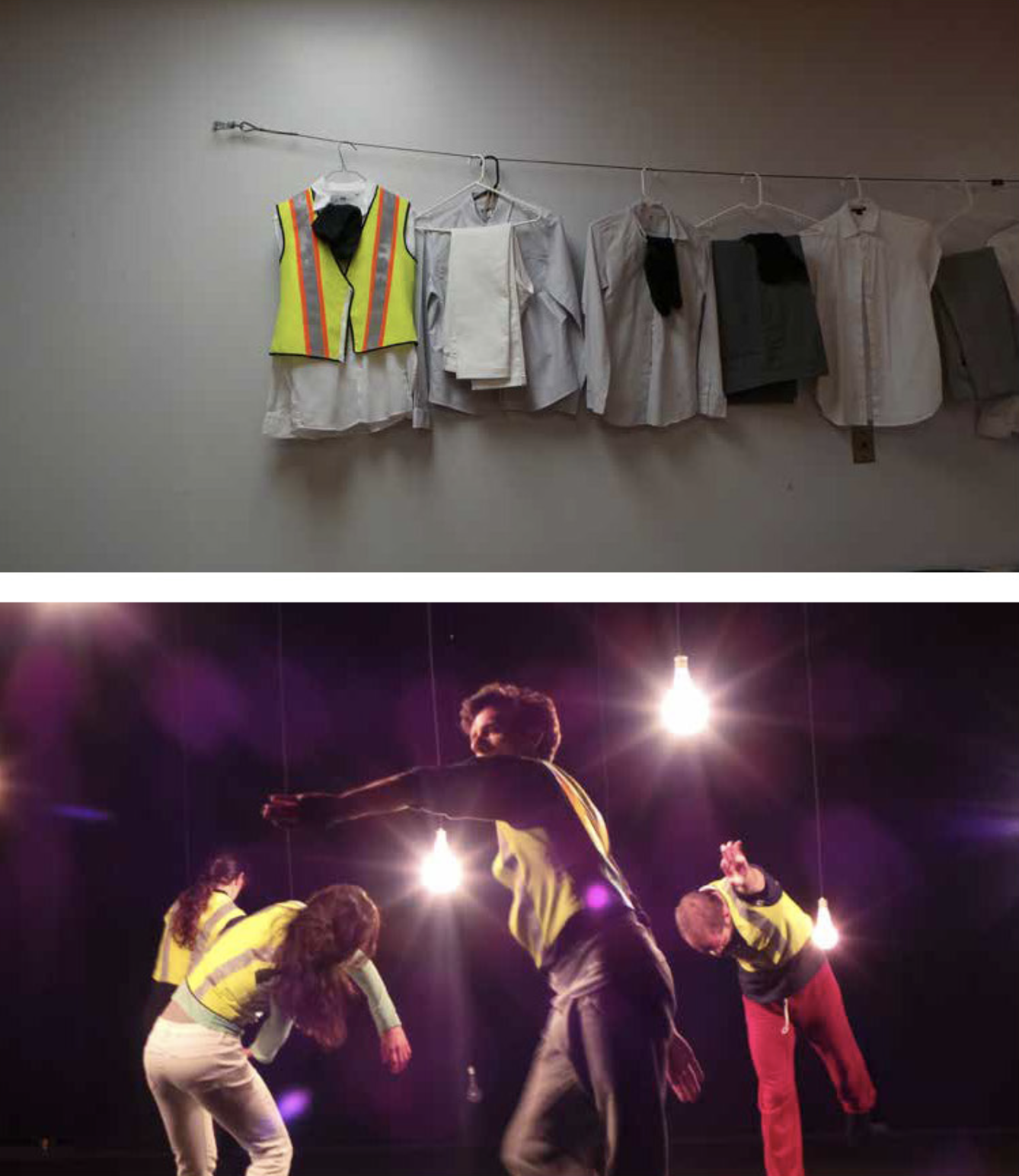
Partial Eclipse is a photographic diary created during a month-long tour accompanying Anthony McCall and Jonah Bokaer's performance work Eclipse through Texas, New York, and Pennsylvania. Neither a documentary record nor a performance archive, the project occupies the space between participation and observation, exploring how memory, movement, and repetition transform experience over time.
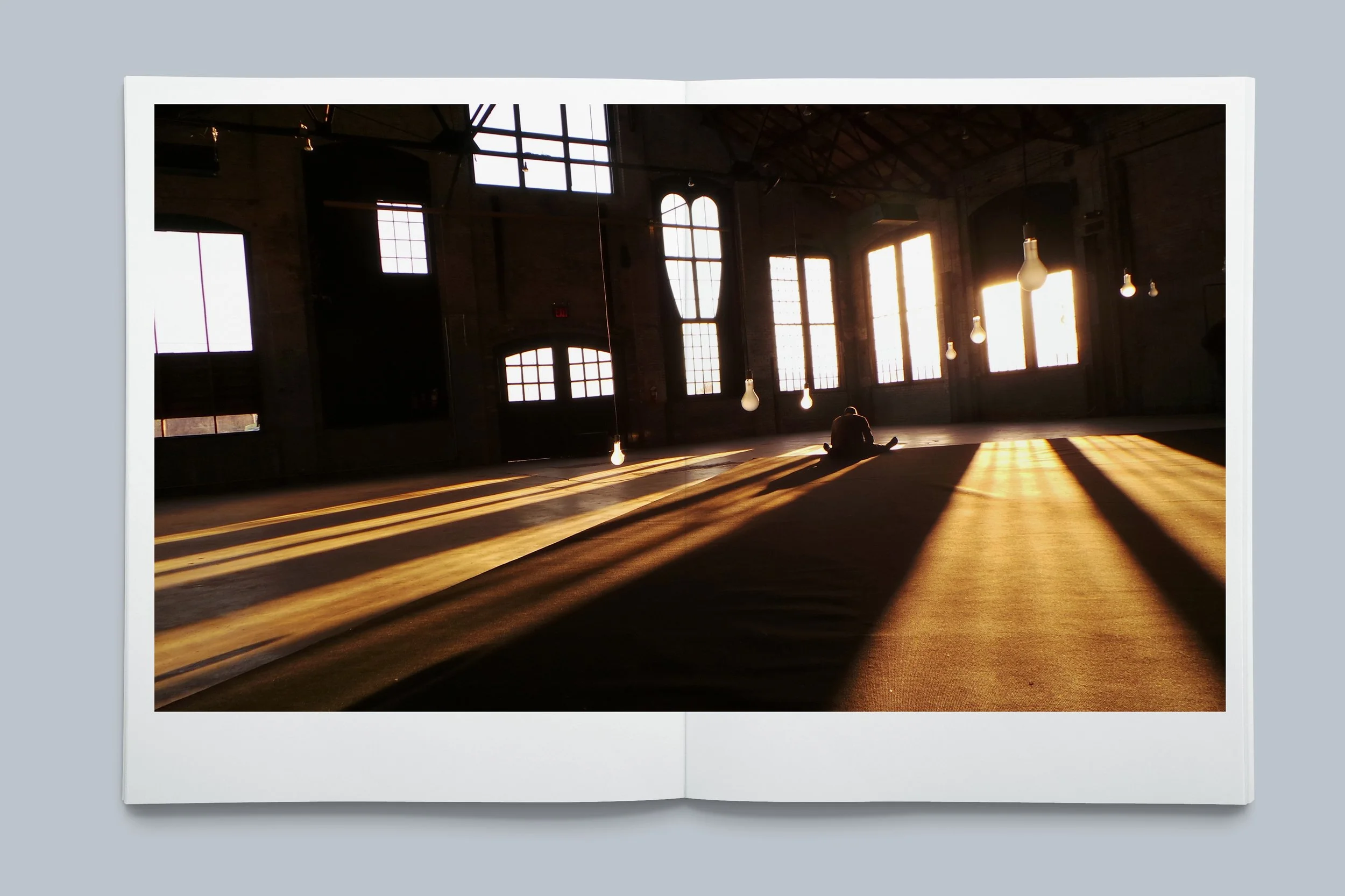
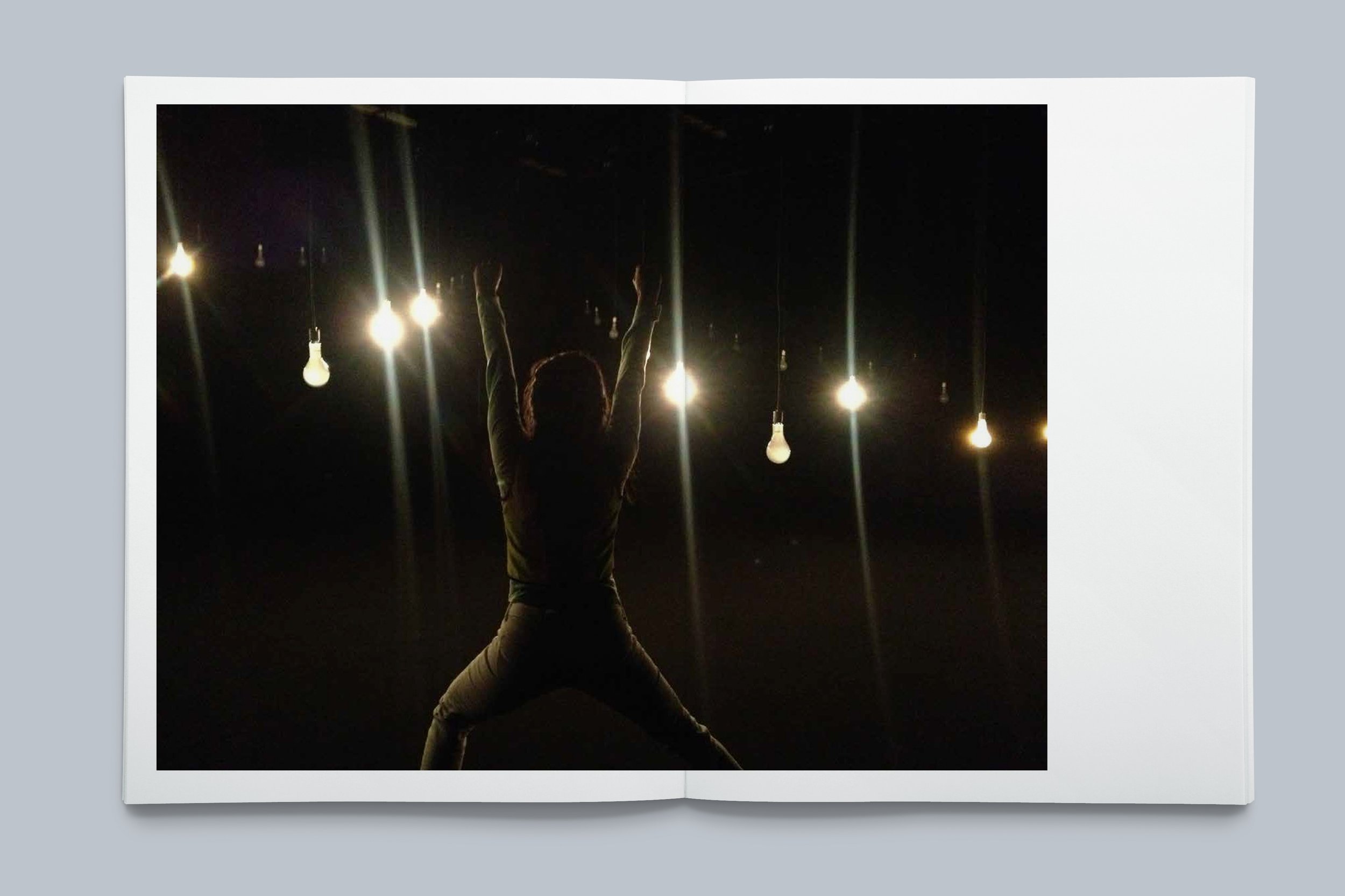
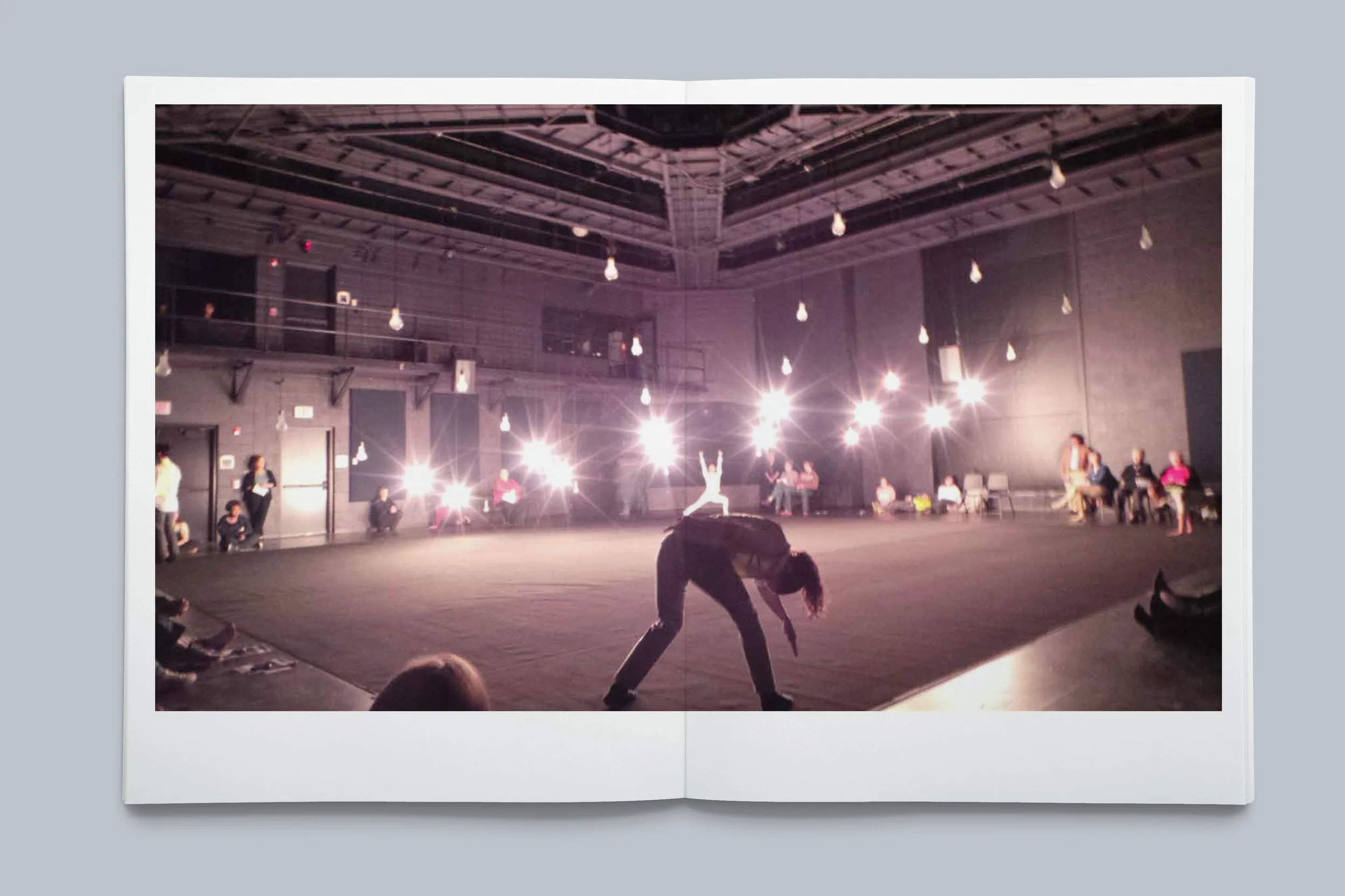
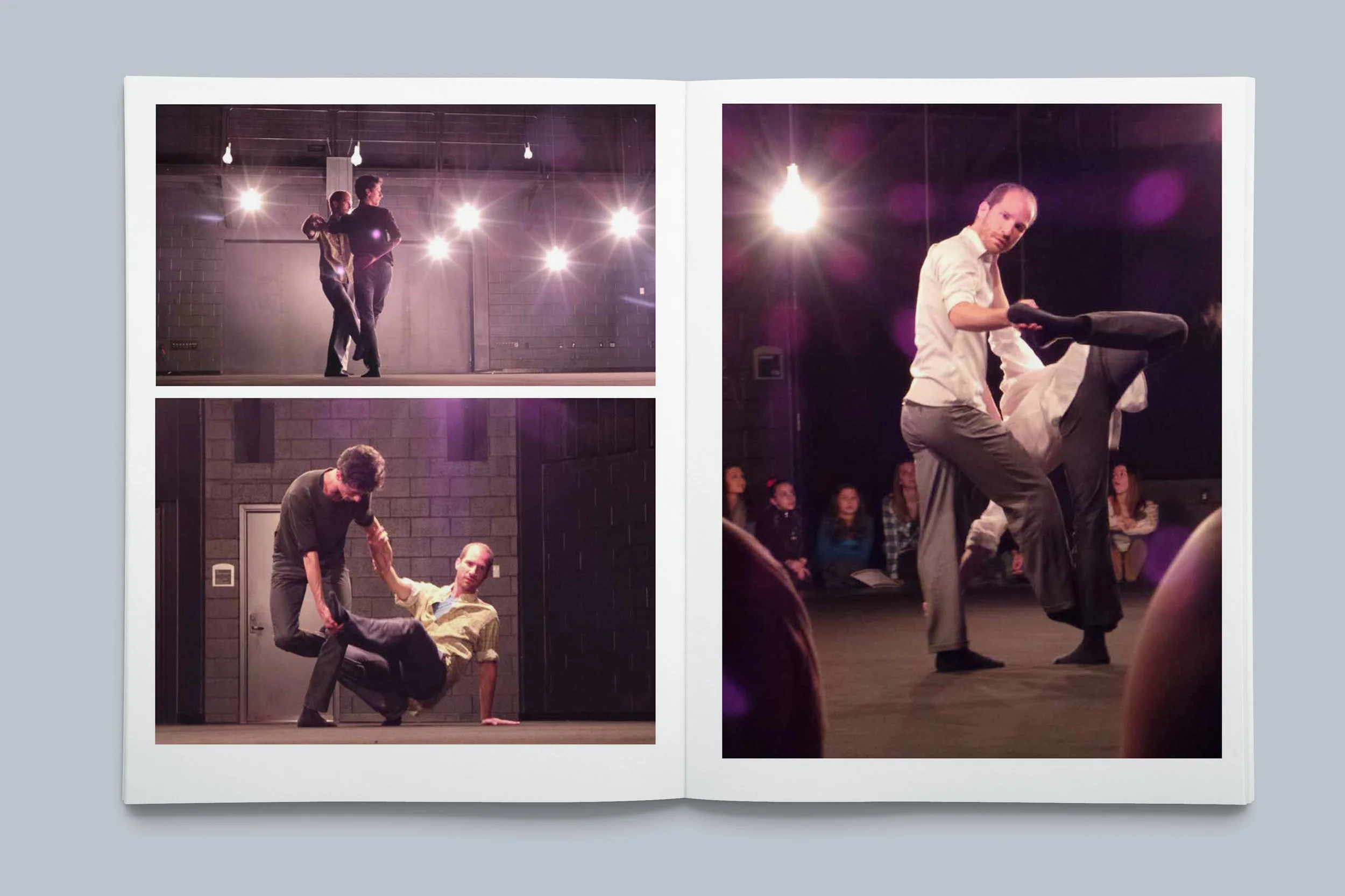
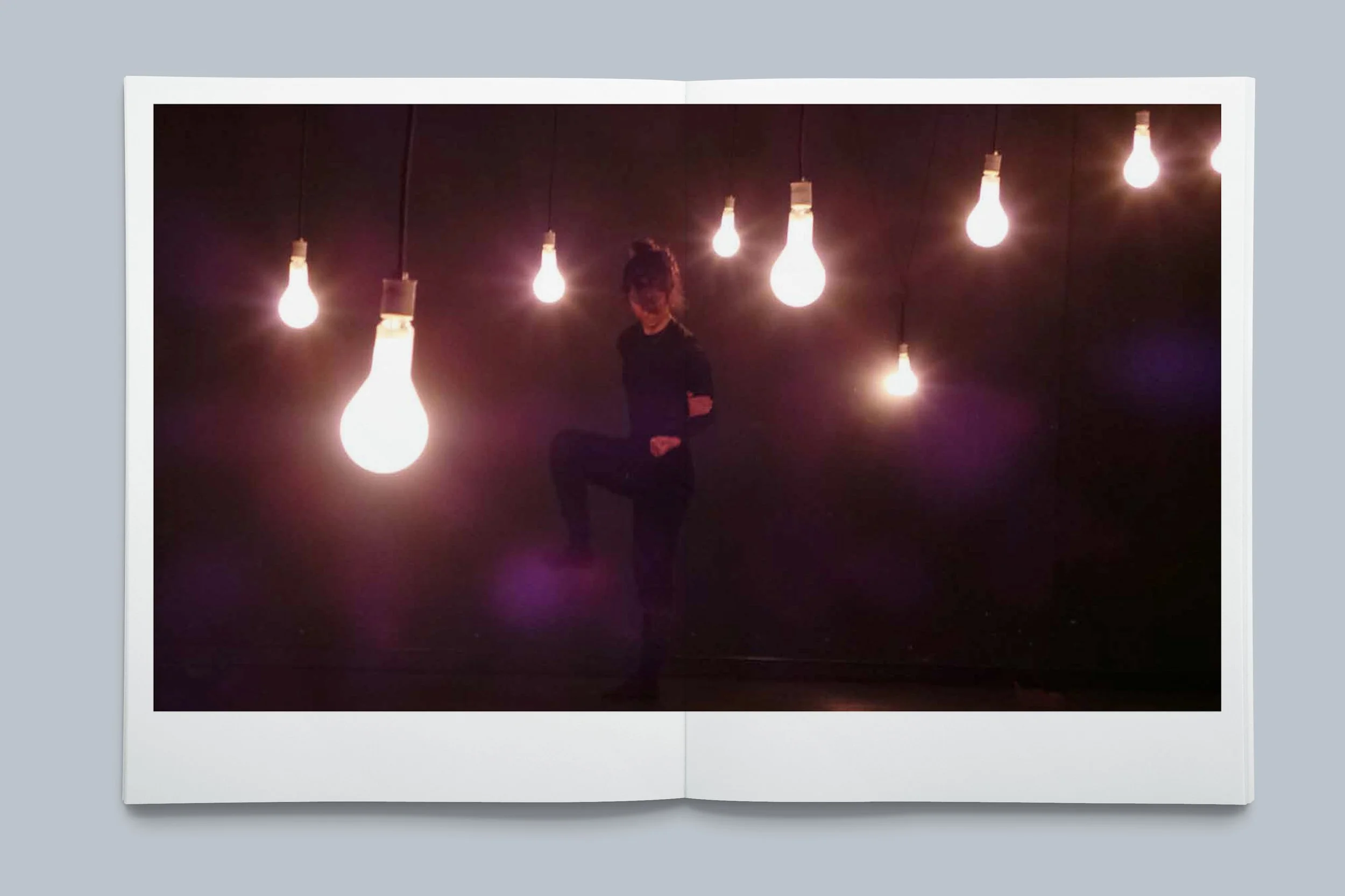
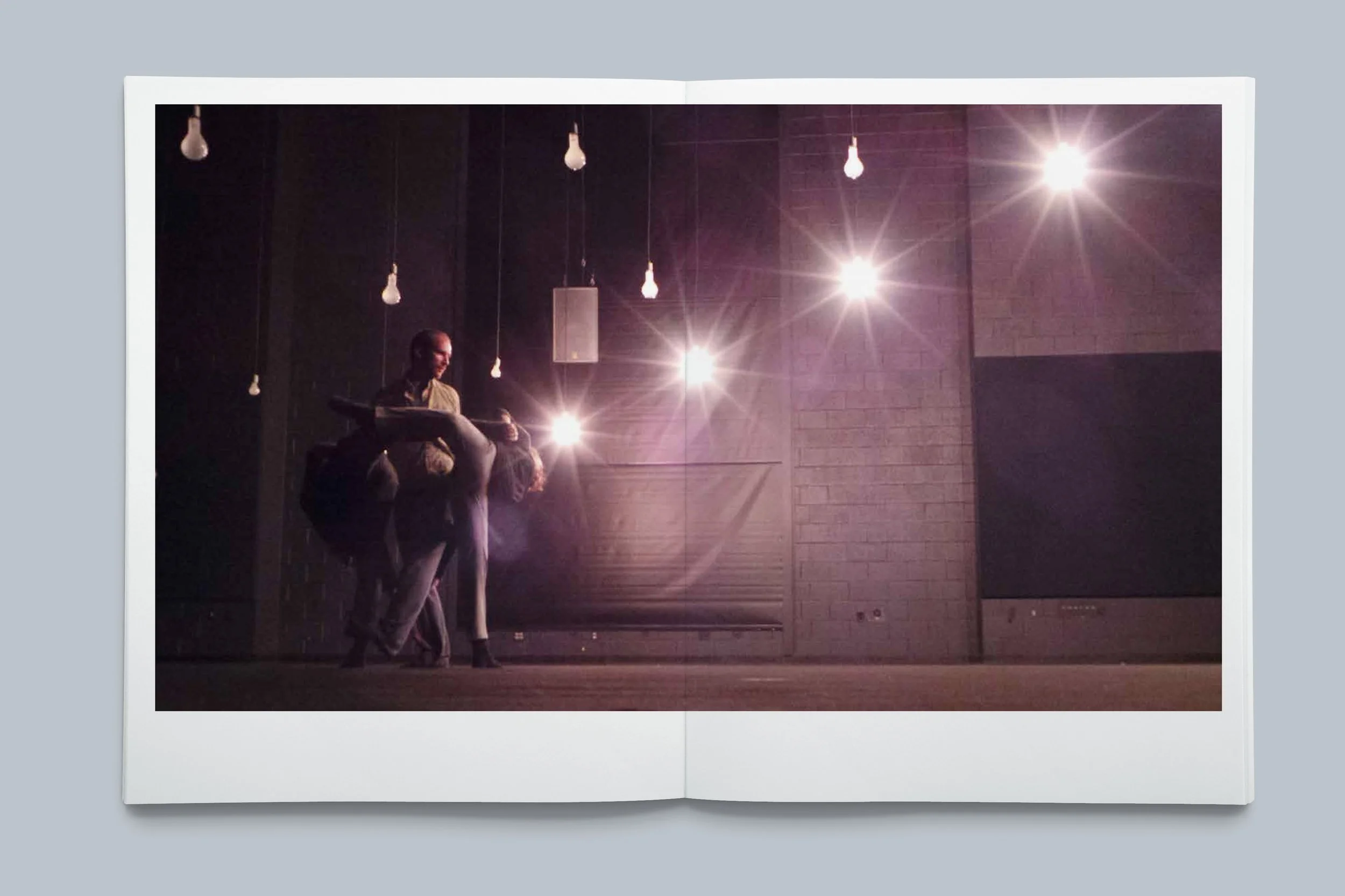
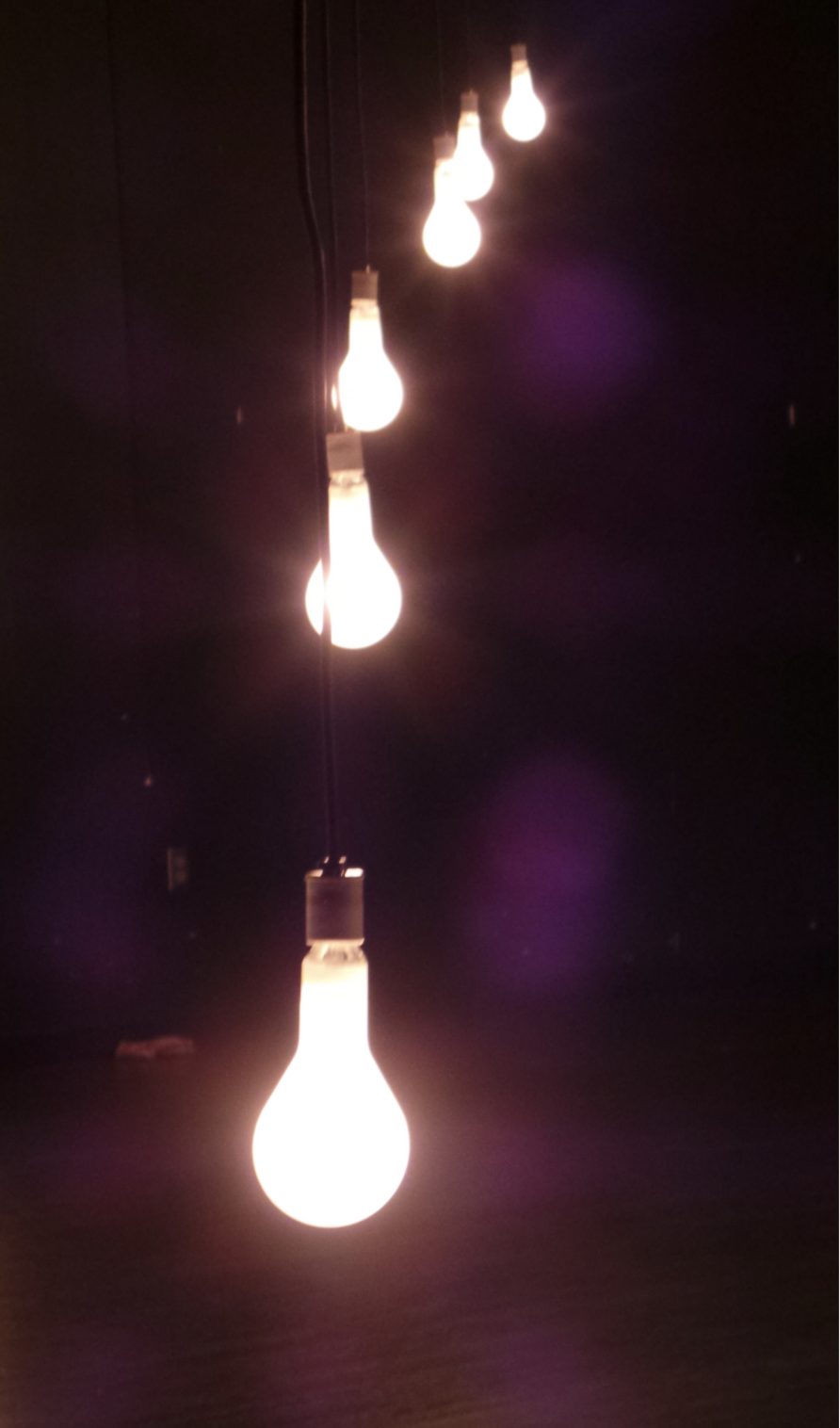
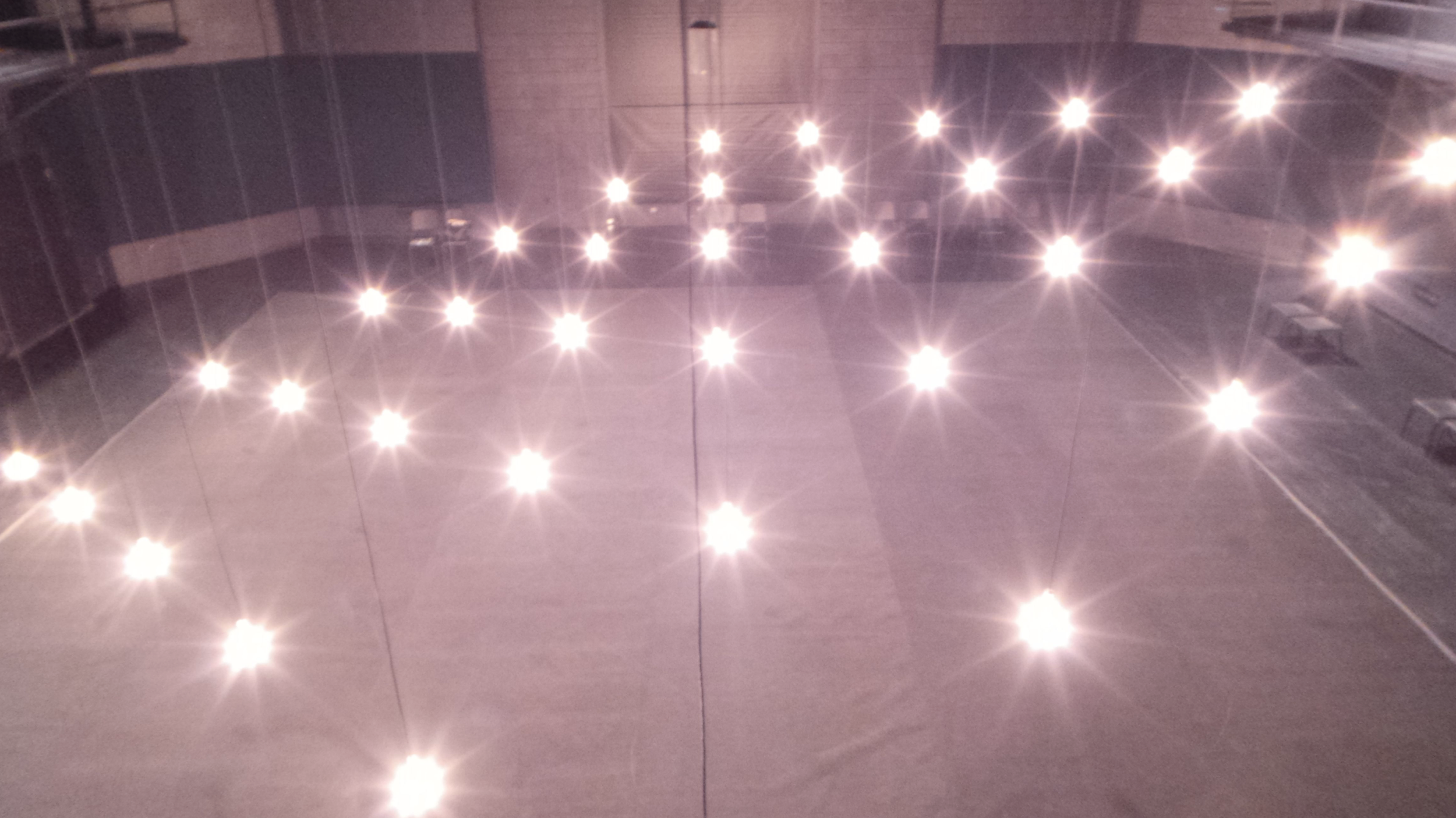
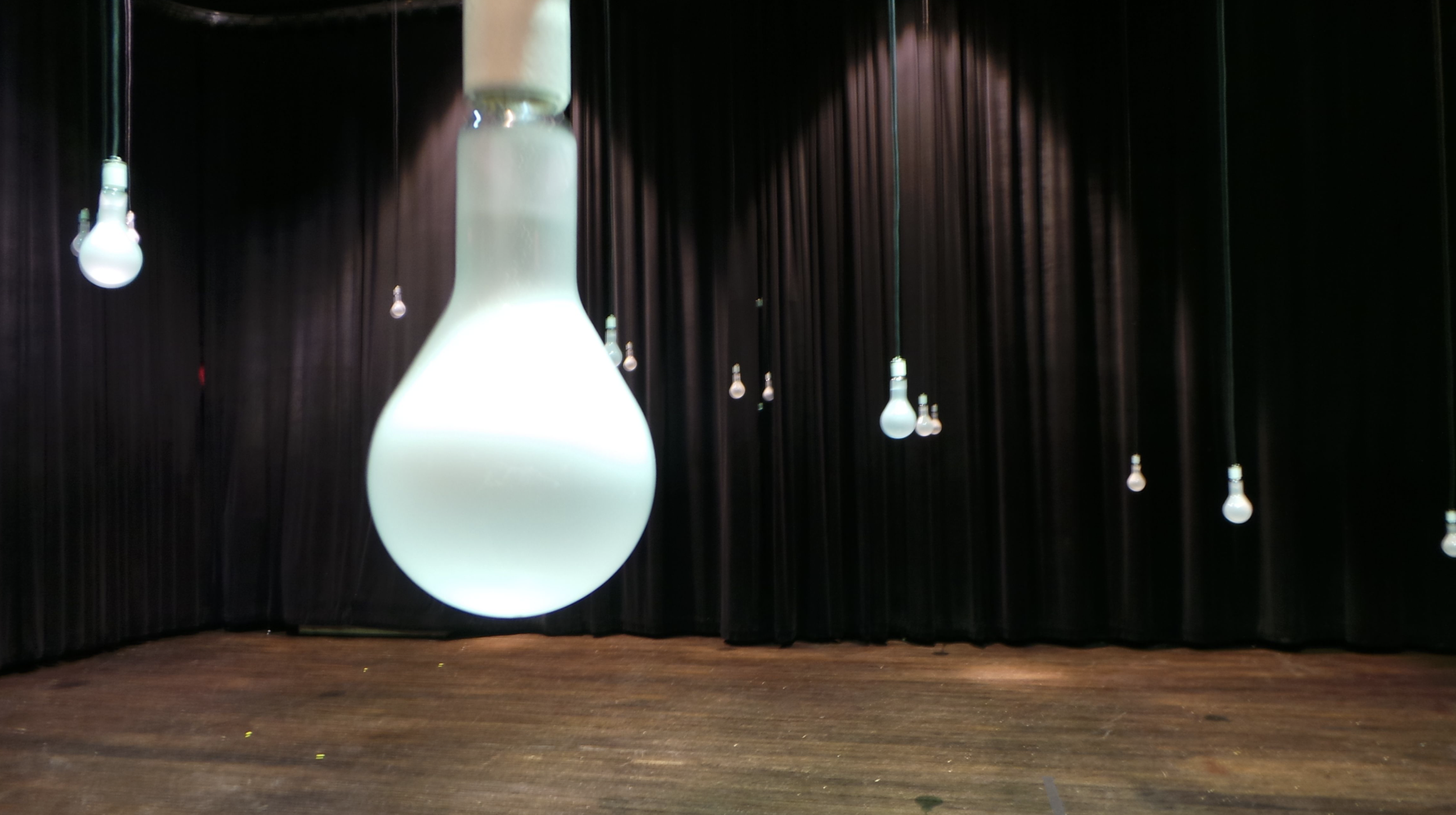
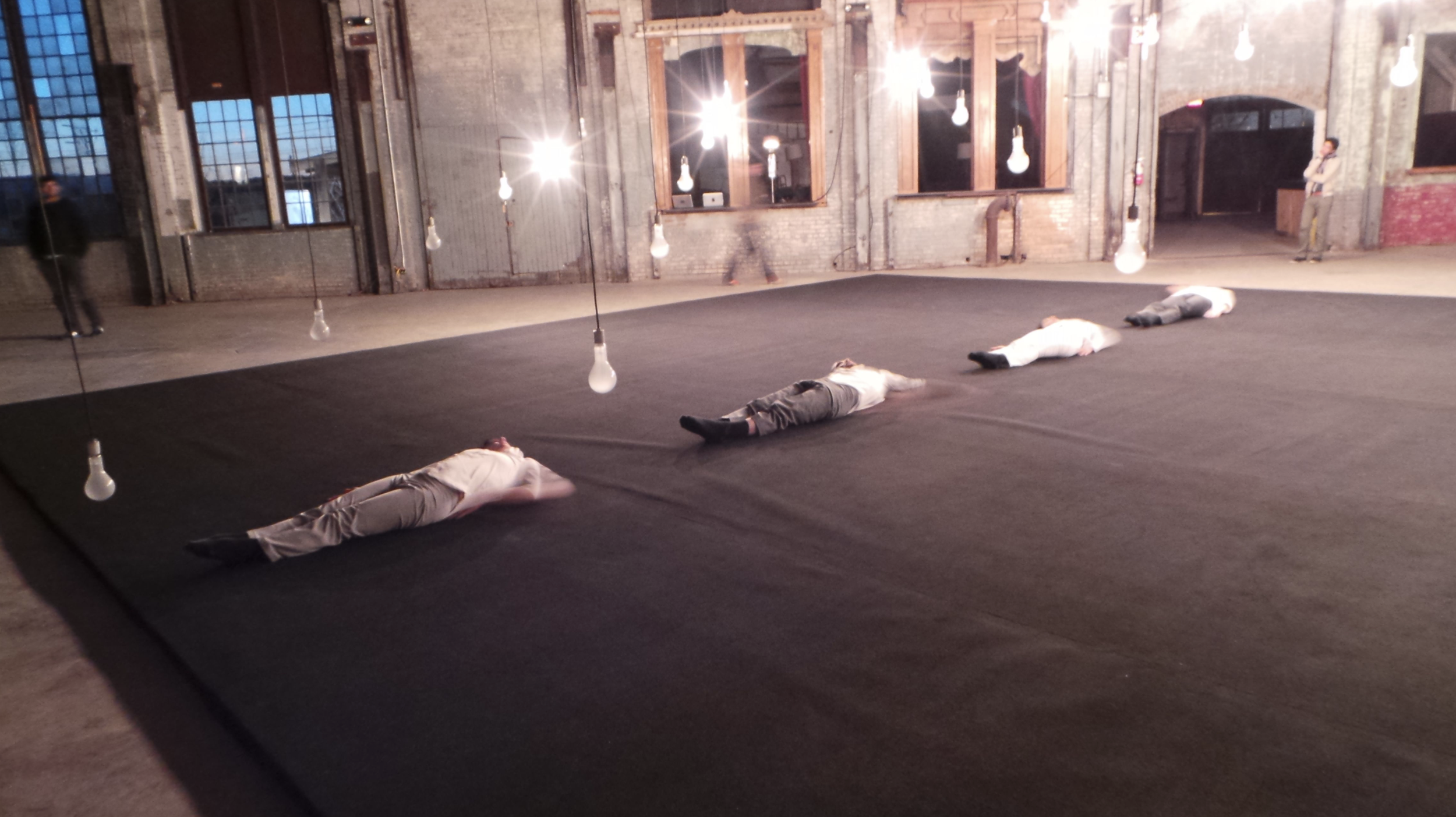
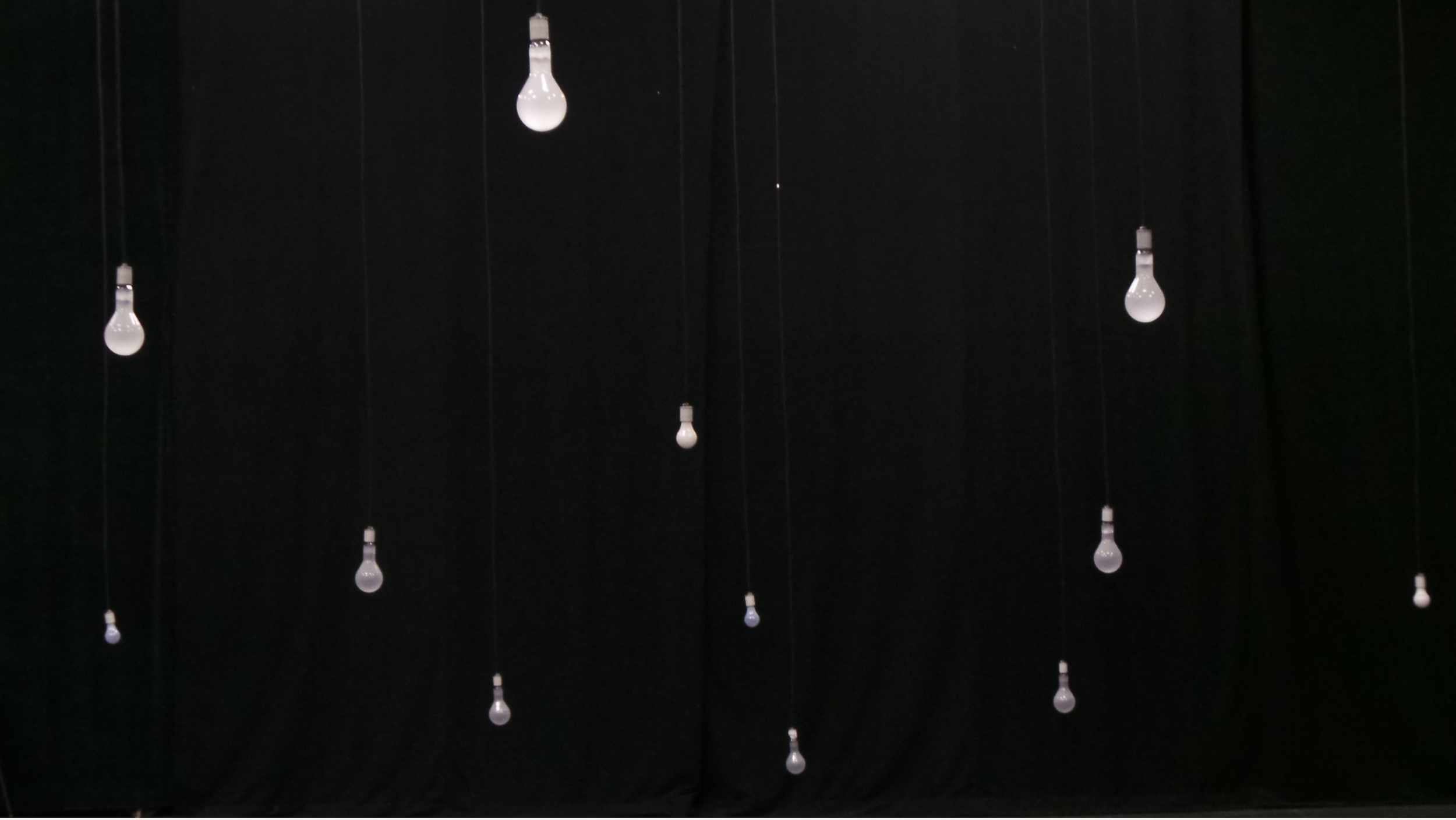
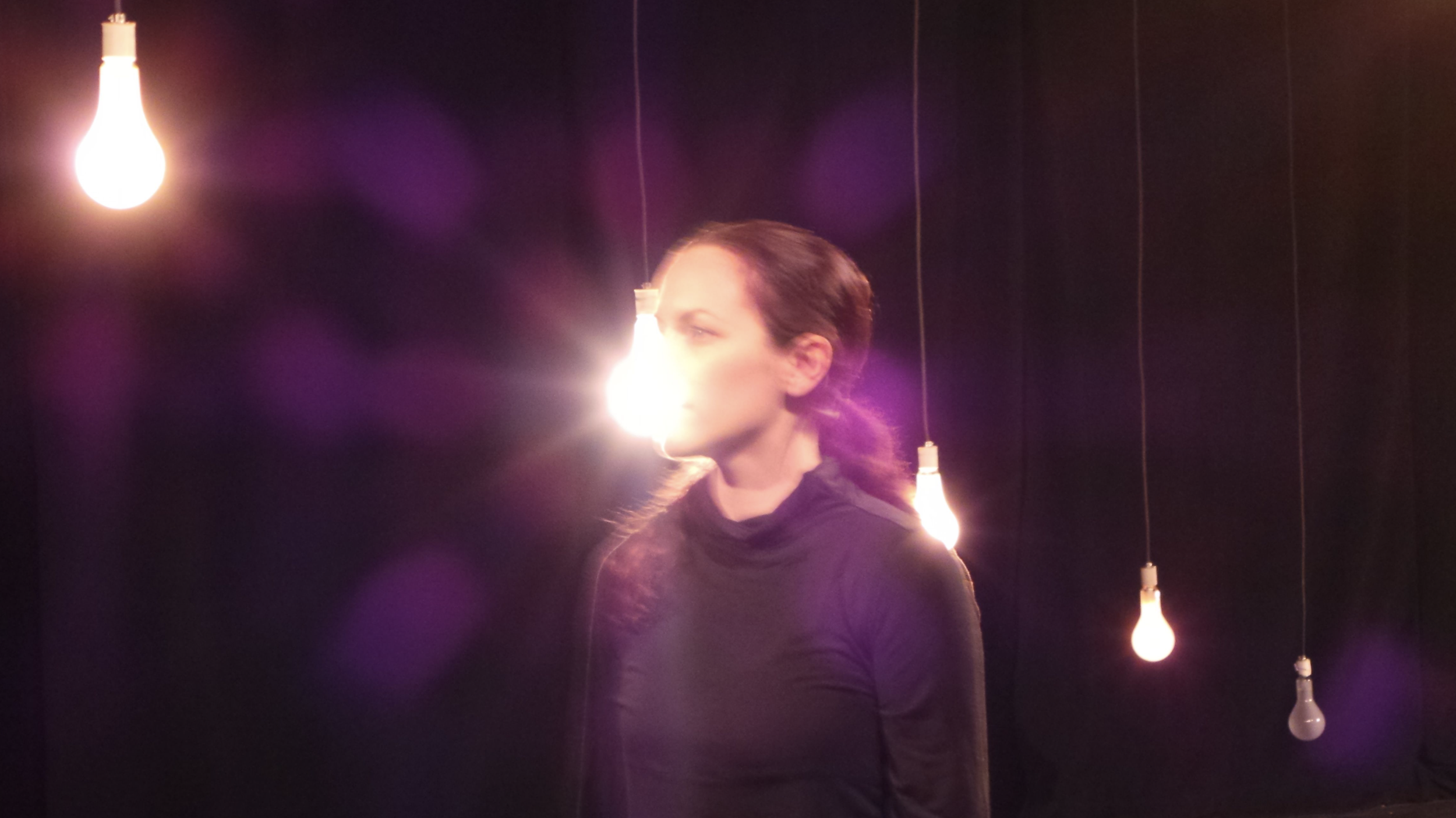
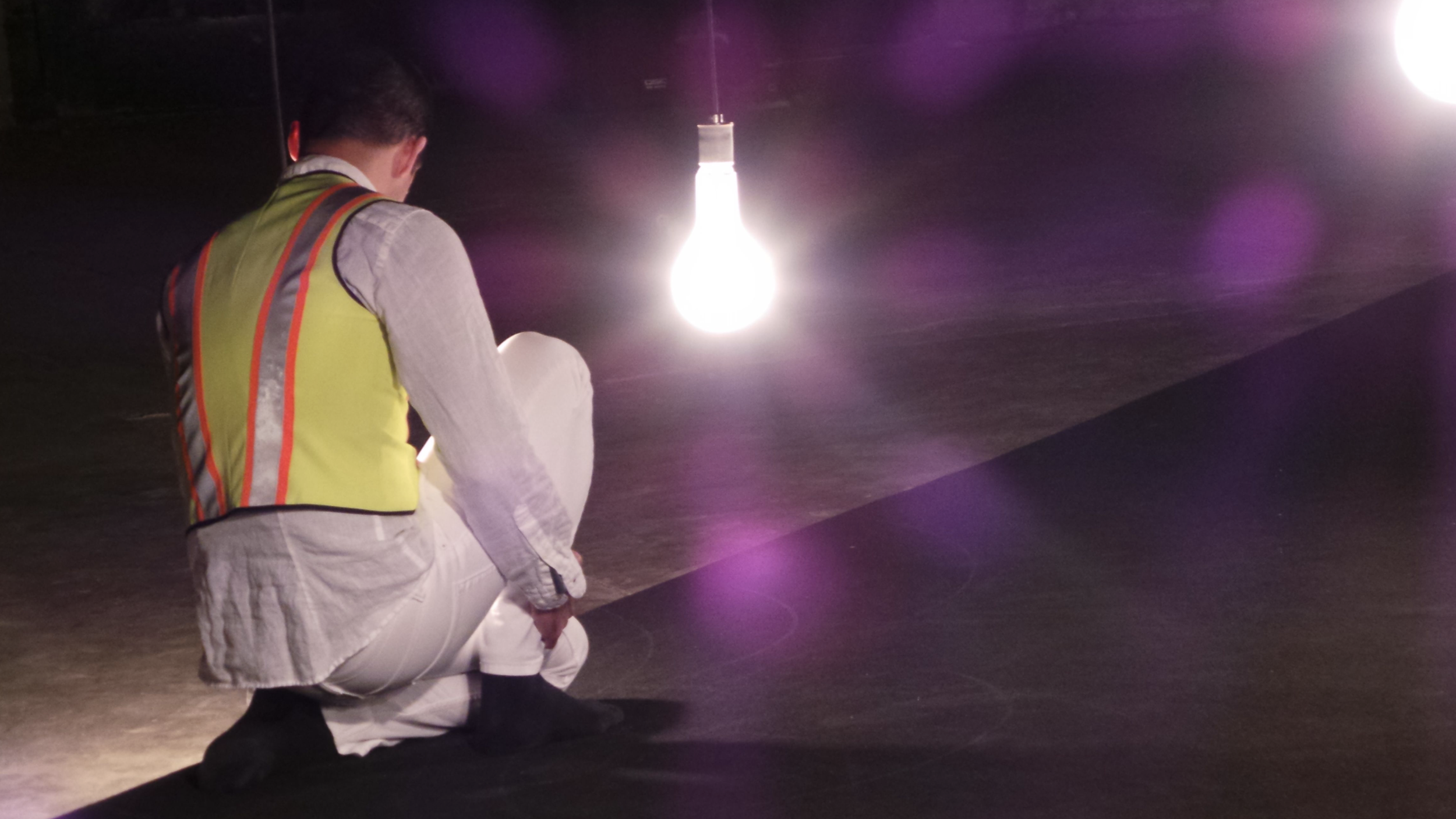
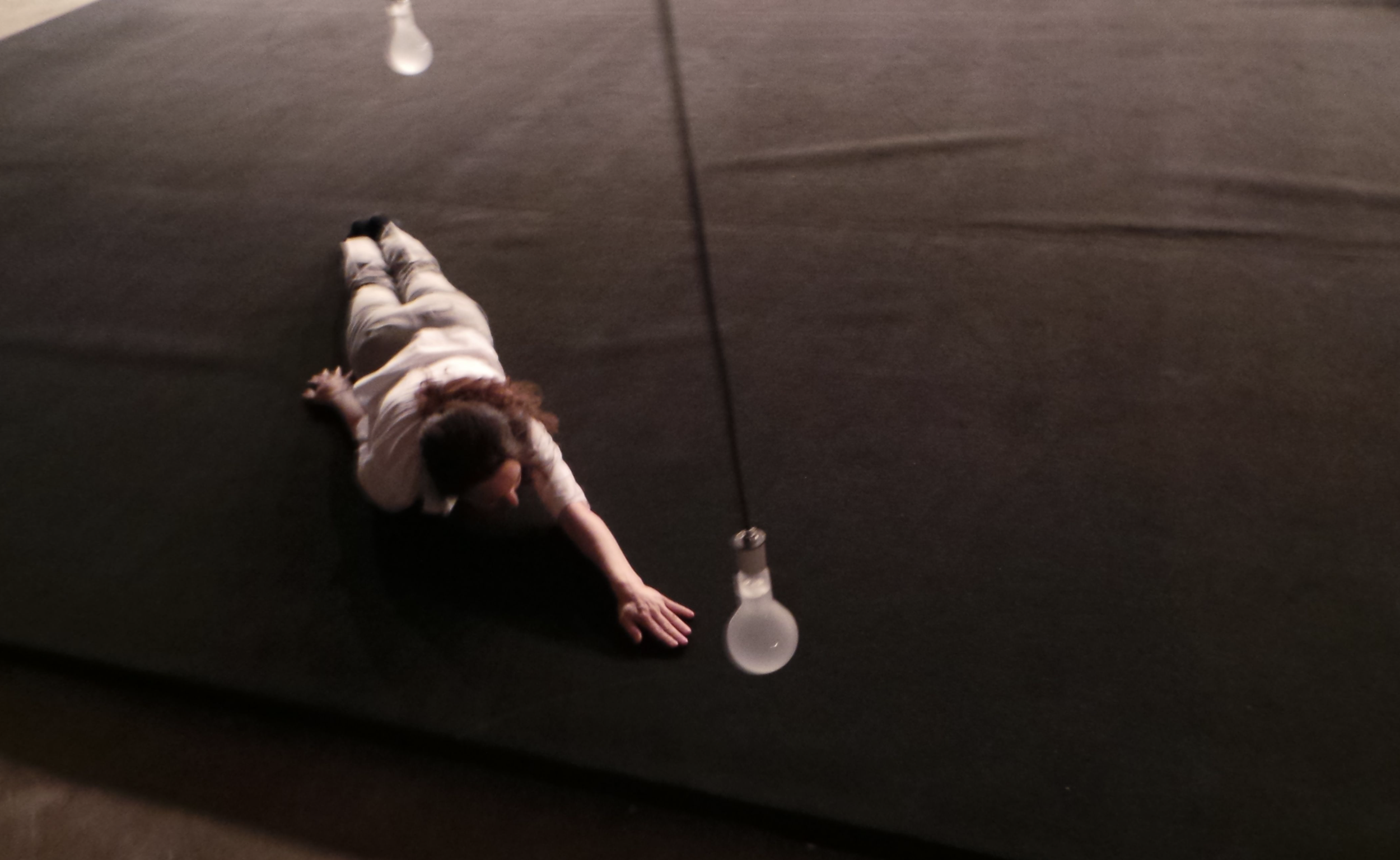
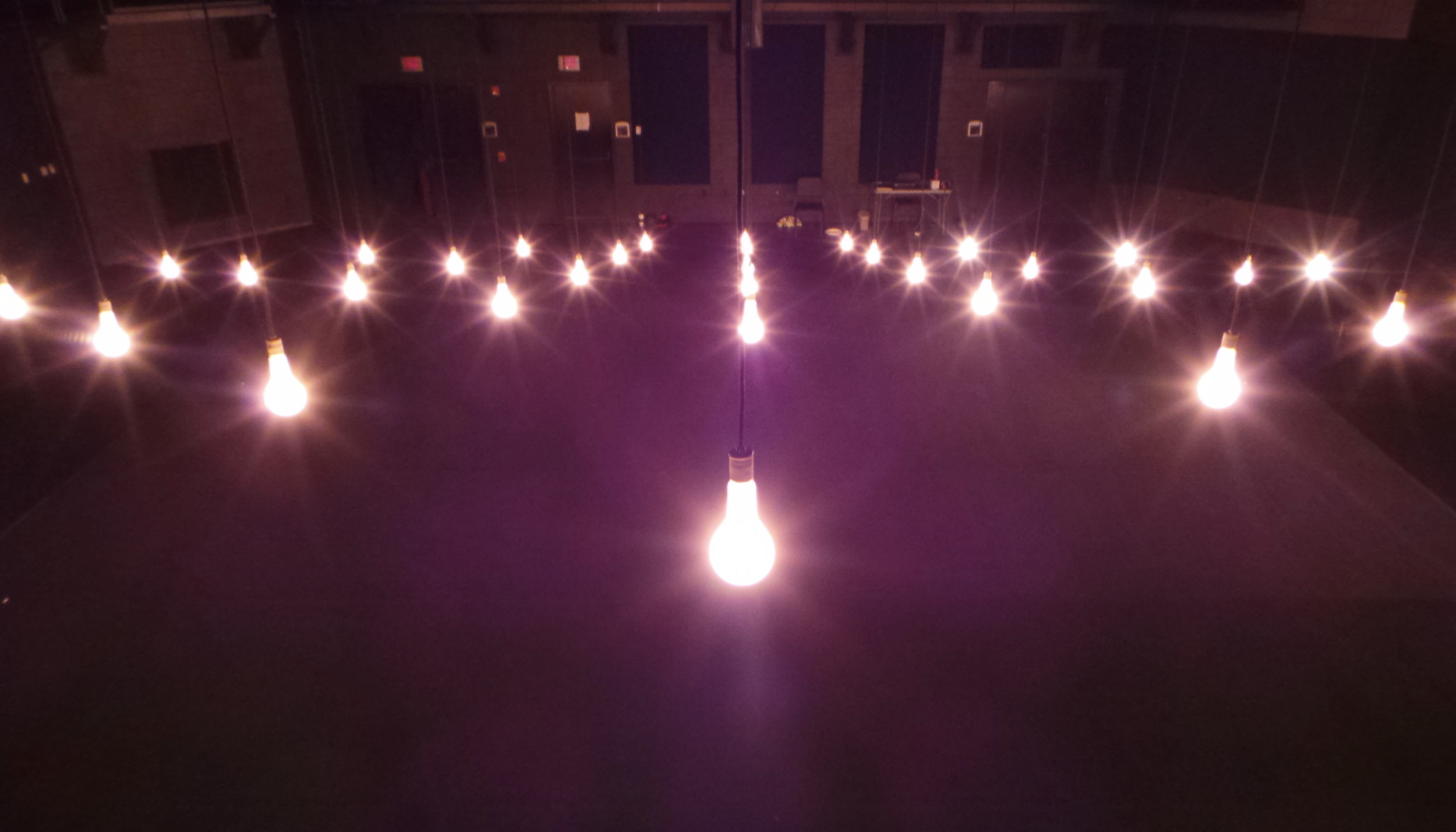
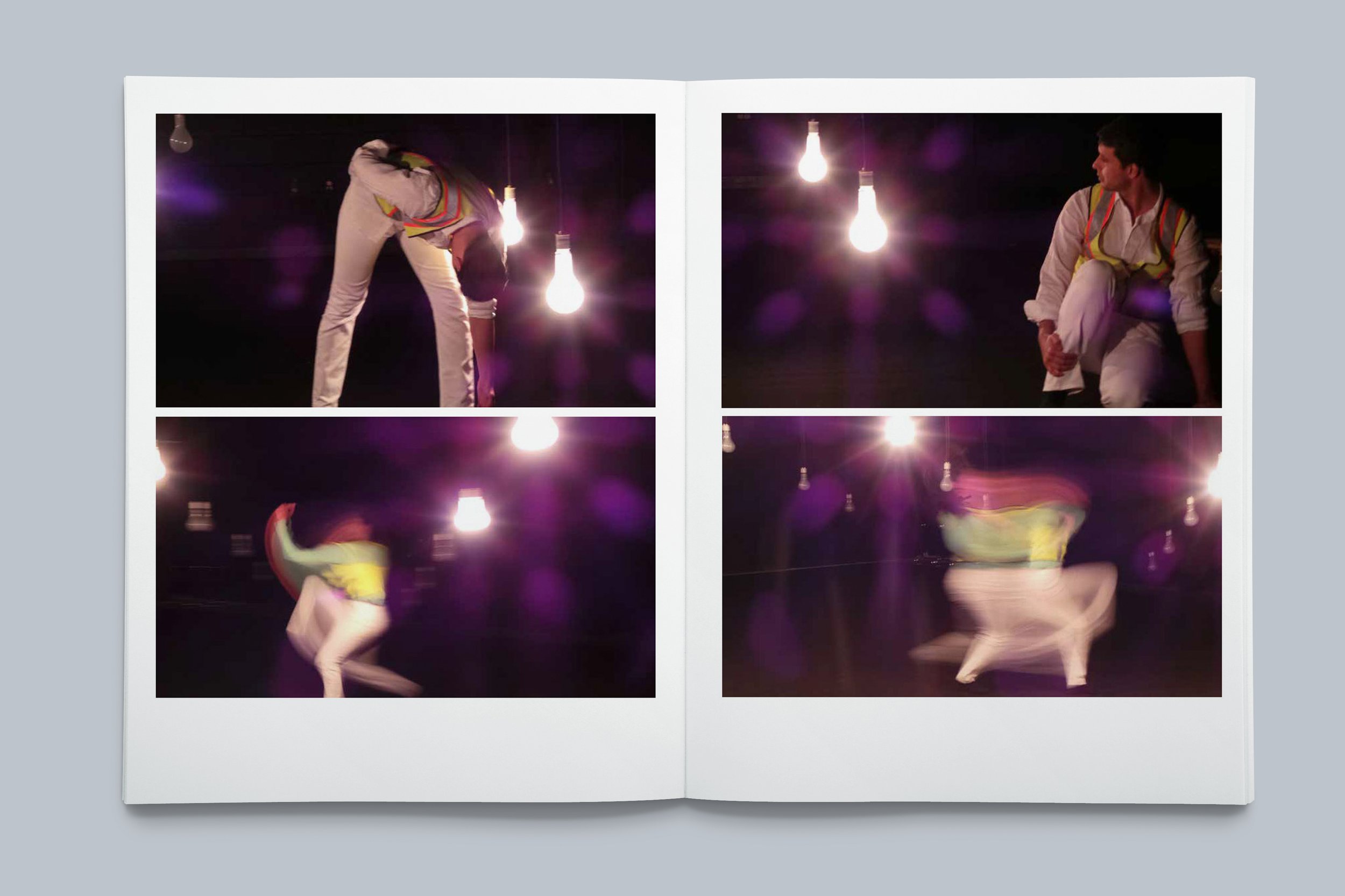
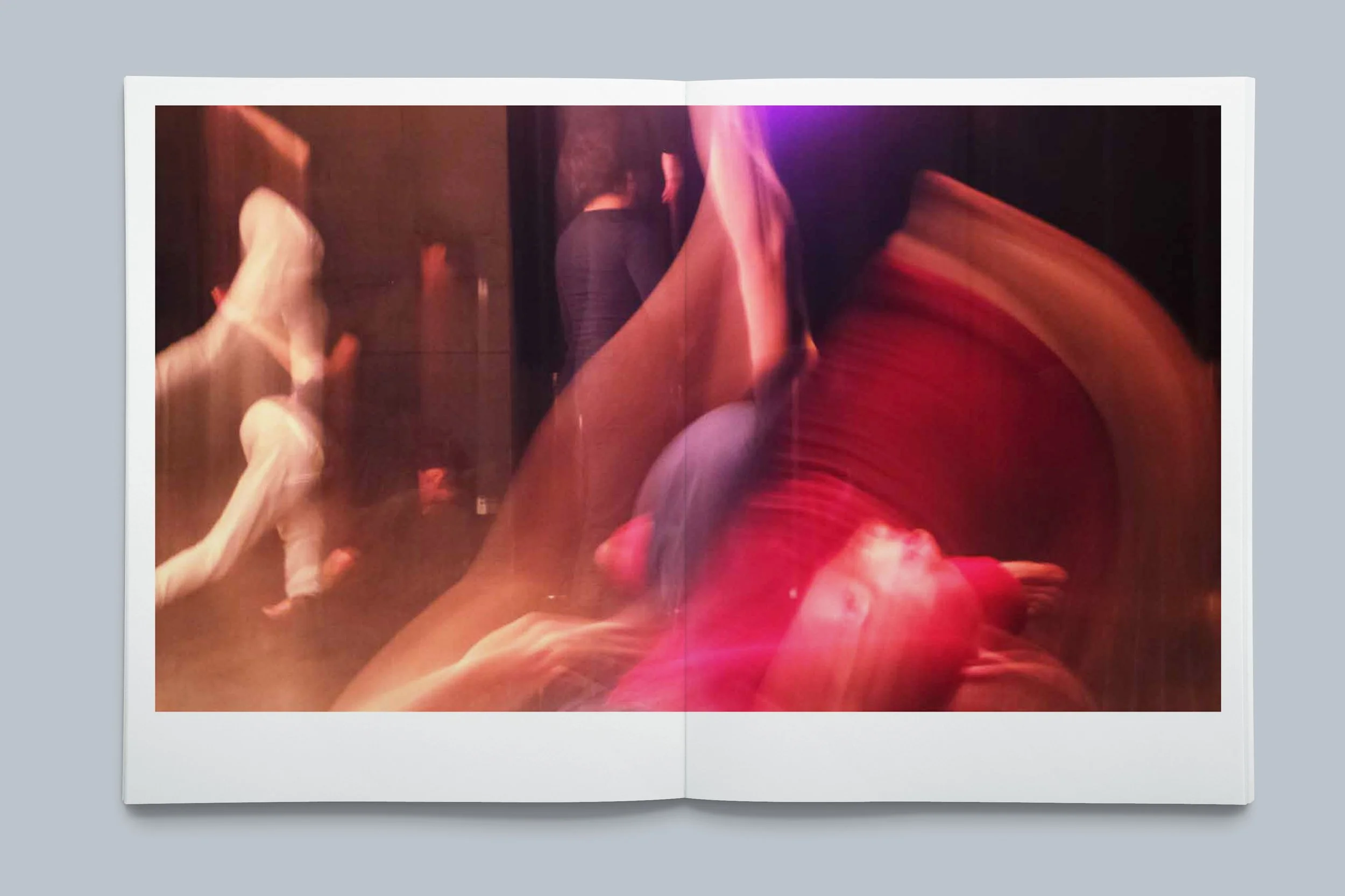
At the center of Eclipse is McCall's immersive scenography: a choreography of light, sound, atmosphere, and spatial perception. Within these shifting volumes of projected light, dancers Sara Procopio, Laura Gutierrez, Tal Adler, and Adam Weinert move through environments that are simultaneously physical and immaterial. Reflective safety vests, white shirts, and white pants function as both costume and instrument, catching and redirecting light as bodies appear, dissolve, and re-emerge within the installation. Light becomes architecture. Movement becomes drawing. The stage becomes a temporary landscape continuously constructed and dissolved through the interaction of bodies, illumination, and space.
The tour coincided with another profound transition. Having recently become a first-time father, I traveled with my three-month-old daughter while my partner, Sara Procopio, worked. The project unfolded within a constant negotiation between artistic practice and caregiving. Days were spent moving between theaters, hotels, airports, and unfamiliar cities while learning, in real time, how to care for an infant on the road. The rhythms of feeding, sleeping, carrying, comforting, and adapting became intertwined with rehearsal schedules, performances, and the act of making photographs.
As a result, Partial Eclipse became as much about attention as documentation. The camera functioned less as a tool for recording performances than as a way of observing relationships: between dancers and light, performers and audiences, cities and temporary homes, parents, guardians, and children, work and care. The photographs emerged from the spaces in between—the intervals before and after performances, moments of waiting, transit, exhaustion, discovery, and wonder.
Touring with the work revealed that no performance is ever truly repeated. Although the choreography remains consistent, each venue, audience, city, and moment produces a different experience. As performances accumulated, familiar sequences became newly strange. Memory layered upon memory, and repetition became a vehicle for noticing difference rather than sameness. The work raised questions about the distance between experience and documentation. Photography promises preservation, yet often reveals how much remains beyond the frame. Images become fragments of events that can never be fully reconstructed, while memory continually edits, compresses, and rewrites what was once present.
Throughout the series, the projected light forms function as an evolving visual language. Cones, lines, shadows, reflections, and pathways appear repeatedly, functioning less as theatrical scenery than as symbolic structures through which bodies navigate. Over time, these forms began to resemble glyphs: recurring signs that carried meaning without a fixed translation. The stage became a temporary cartography. Light became a form of writing. Movement became a process of reading and rewriting space.
This relationship among body, symbol, and environment connects Partial Eclipse to the broader concerns of the Universus series, in which maps, alphabets, diagrams, and symbolic systems are understood as tools for navigating physical, social, and psychological worlds. Here, the performance environment itself becomes a living notation system generated through the interaction of light, architecture, choreography, caregiving, travel, and human presence. The projected forms function as contemporary glyphs—marks that resist direct interpretation while retaining the rhythm, structure, repetition, and persistent sense that meaning is present.
The resulting photographs are less concerned with documenting Eclipse than with tracing the experience of moving through it repeatedly while inhabiting multiple roles simultaneously: artist, observer, partner, parent, collaborator, and caretaker. They explore how meaning accumulates through observation, how memory transforms familiar forms into discoveries, and how temporary communities are formed through shared acts of creation and care.
By the conclusion of the tour, my daughter—only three months old when we departed—had spent nearly a third of her life on the road. What began as a performance tour became an initiation into parenthood, collaboration, and collective experience. The photographs are therefore not simply records of a work performed in different cities, but traces of a shared journey through unfamiliar landscapes, evolving relationships, and fleeting moments of discovery.
Like the projected forms that define Eclipse, memory remains partial, shifting, and incomplete. Yet through repetition, movement, and attention, new meanings continue to emerge. In Partial Eclipse, touring becomes a form of mapping, parenting becomes a form of choreography, and the photograph becomes evidence of an ongoing attempt to navigate a world continually being rewritten by light, movement, time, and love.